
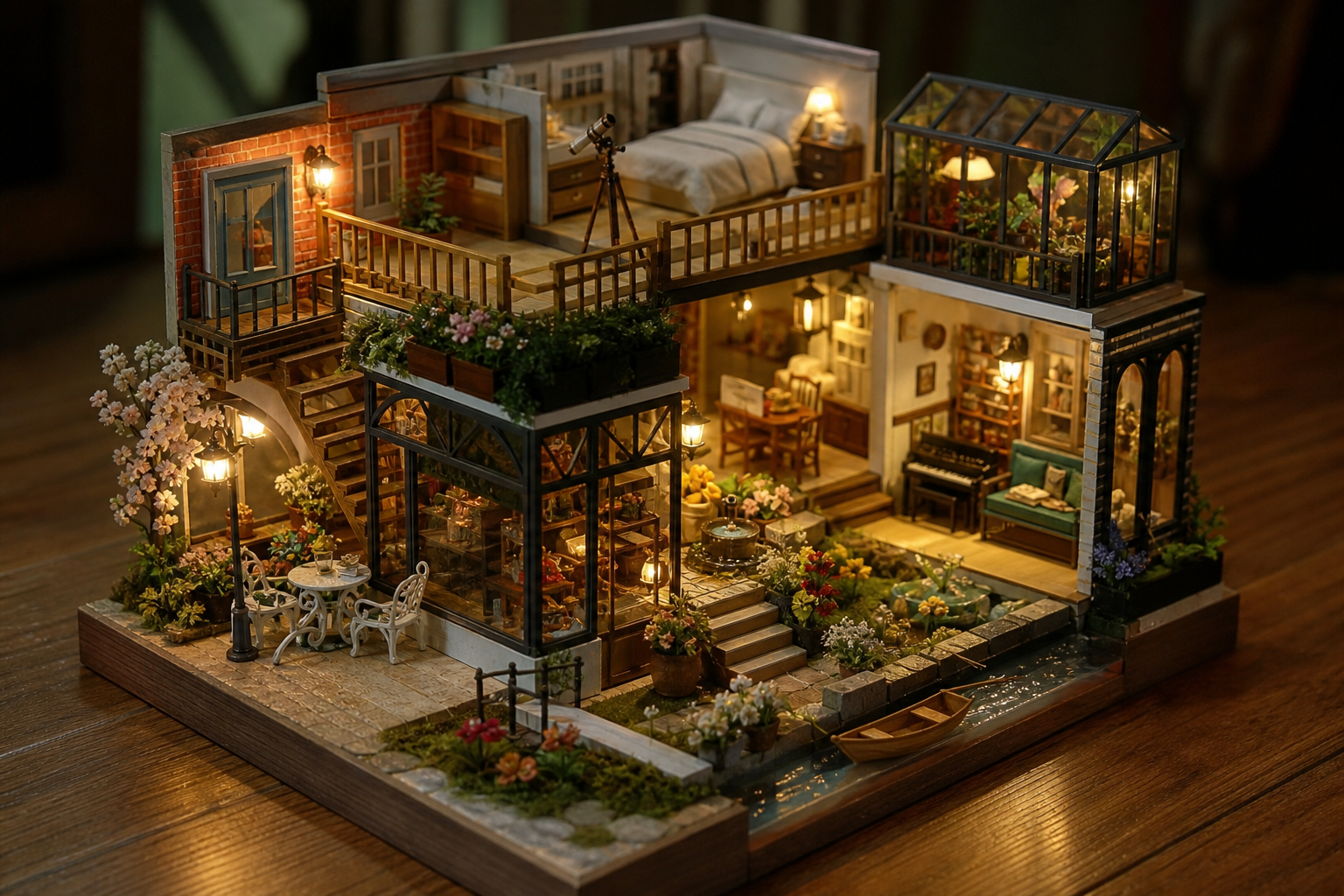
The allure of miniature crafting lies in its capacity to transform minuscule materials into captivating vignettes that tell stories within confined dimensions. When you're pondering your next project, selecting a compelling theme serves as the cornerstone of creative success. Whether you're a seasoned artisan or embarking on your inaugural build, discovering fresh miniature scene inspiration can reinvigorate your passion and challenge your technical prowess.
Themed builds offer more than aesthetic appeal—they provide narrative cohesion, guiding your material choices, color palettes, and architectural decisions. The right theme transforms a collection of wooden pieces and embellishments into an evocative tableau that resonates with viewers and brings profound satisfaction to the builder.
Finding Your Creative Direction Through Book Nook Kits
For those seeking structured yet imaginative miniature scene inspiration, book nook kits represent an exceptional starting point. These specialized assemblies nestle between volumes on your shelf, creating dimensional portals to fantastical realms. The constrained vertical format encourages inventive spatial solutions while maintaining approachable project scopes.
ROCOXIA's collection of DIY book nook kits encompasses diverse aesthetic territories, from medieval alleyways to enchanted forests. Each kit delivers pre-measured components alongside comprehensive instructions, eliminating the guesswork while preserving the creative fulfillment of hands-on construction. The reliability of parts replacement services and flexible return policies ensures your creative journey proceeds uninterrupted.
These kits serve dual purposes: they're engaging solo projects and conversation-initiating decorative elements. The vertical architecture challenges builders to think cinematically, composing scenes with foreground, middle ground, and background elements that generate visual depth despite shallow physical dimensions.
Seven Thematic Territories to Explore
Selecting a theme represents the pivotal decision that shapes every subsequent creative choice in your miniature scene inspiration journey. The following seven categories offer proven foundations for memorable builds, each presenting unique technical challenges and aesthetic rewards.
Mystical Forest Sanctuaries
Nature-inspired builds captivate through organic textures and verdant palettes. Moss-covered stones, gnarled tree roots, and dappled lighting effects transform compact spaces into woodland retreats. This theme excels at incorporating natural materials—actual twigs, preserved lichens, and sand—alongside manufactured components.
The interplay between cultivated and wild elements creates narrative tension. Consider positioning a weathered stone cottage amid encroaching foliage, suggesting stories of hermits or forest guardians. Layering translucent materials can simulate morning mist or enchanted atmospheres, elevating simple constructions into ethereal compositions.
Vintage Bibliophile Chambers
Literature-themed scenes celebrate the tactile pleasures of antiquarian collections and scholarly pursuits. Miniature leather-bound tomes, brass reading lamps, and worn Persian rugs evoke contemplative sanctuaries dedicated to knowledge acquisition. This aesthetic rewards meticulous attention to period-appropriate details.
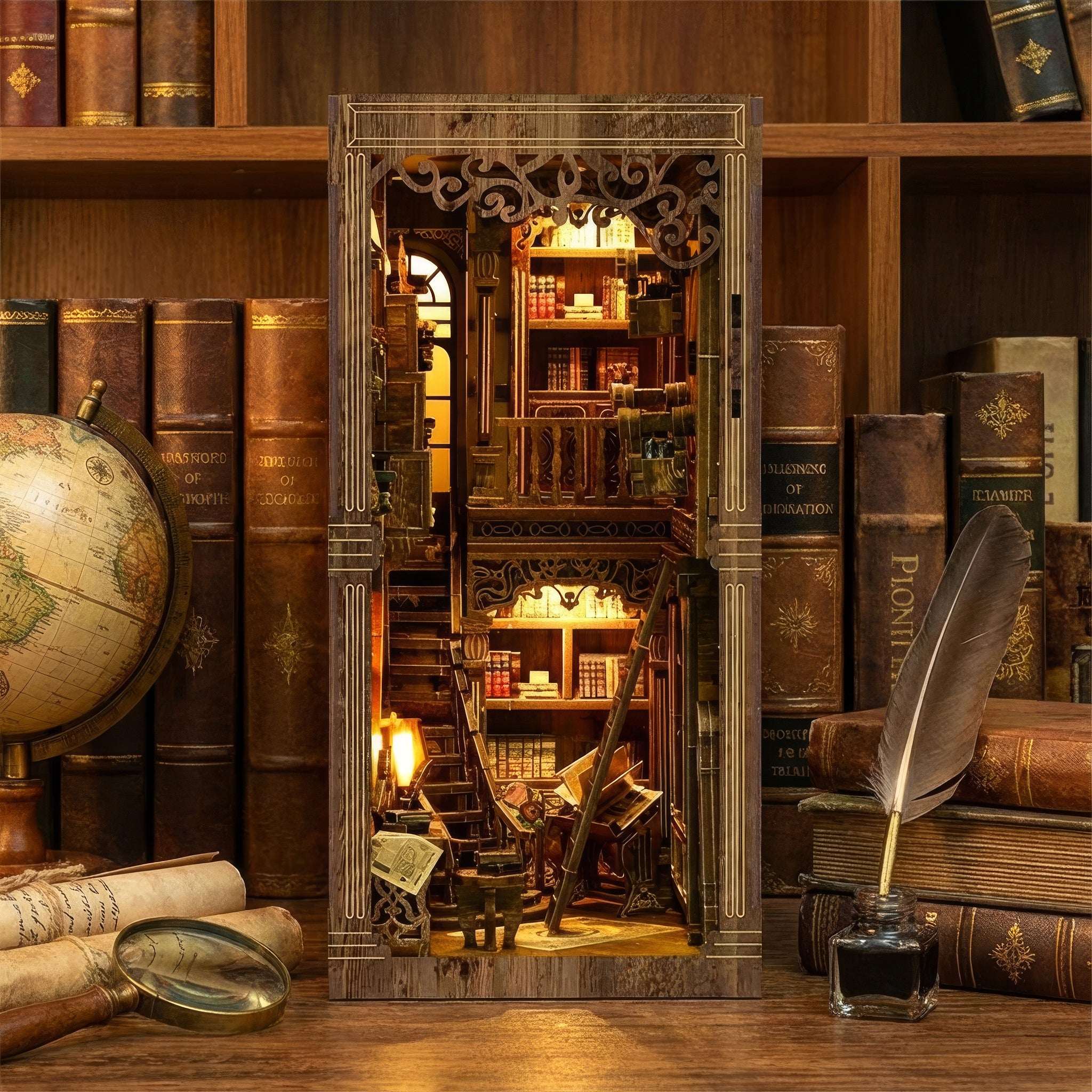
The Hobbin's Hovel DIY Book Nook Kit exemplifies this category's potential. This particular assembly guides builders through constructing a cozy reading nook complete with overflowing bookshelves, warm ambient lighting, and architectural features that suggest centuries of accumulated wisdom. The kit addresses common miniature scene inspiration challenges by providing precisely scaled furniture and architectural elements that maintain proportional harmony throughout the build.
Such literary vignettes resonate particularly with bibliophiles who appreciate the meta-textual humor of housing miniature libraries within actual bookshelves. The recursive nature creates delightful cognitive dissonance that enchants viewers.
Industrial Steampunk Workshops
Mechanical aesthetics marry Victorian elegance with speculative engineering, yielding visually dense scenes packed with gears, gauges, and brass fixtures. This theme permits experimentation with metallic finishes, oxidation effects, and functional elements like rotating components or illuminated dials.
Steampunk builds thrive on visible complexity. Exposed pipework, intricate clockwork mechanisms, and fantastical contraptions suggest inventors' laboratories where impossible machines take shape. The aesthetic forgives—indeed celebrates—visible construction techniques, allowing builders to showcase joinery and mechanical assemblies as design features rather than concealing them.
Coastal Maritime Harbors
Nautical themes evoke wanderlust and maritime heritage through weathered docks, fishing tackle, and seaside architecture. Salt-worn textures, rope details, and aquatic color schemes of navy, seafoam, and sandy beige create cohesive coastal atmospheres. This category offers opportunities to incorporate reflective materials simulating water surfaces.
Consider distressing techniques that replicate decades of ocean spray and sun exposure. Layering diluted paints and strategic sanding reveals underlying "wood grain" on painted surfaces, suggesting authentic age. Miniature nautical equipment—anchors, nets, buoys—provides recognizable visual anchors that immediately communicate the theme.
Enchanted Confectionery Boutiques
Whimsical bakery and candy shop scenes deliver vibrant color opportunities and playful details. Tiny pastries, striped awnings, and vintage display cases create charming commercial vignettes. This theme particularly suits builders who enjoy sculpting miniature food items from polymer clay or resin.
The confectionery aesthetic balances sweetness with sophistication through carefully considered color harmonies. Pastel palettes risk appearing juvenile without grounding elements like rich wood tones, aged brass hardware, or sophisticated tilework. Incorporating period signage and vintage packaging designs adds historical authenticity that elevates pure fantasy into believable fiction.
Eastern Temple Courtyards
Asian-inspired architecture offers serene minimalism and intricate decorative traditions. Cherry blossoms, paper lanterns, and contemplative garden elements create peaceful sanctuaries. This theme challenges builders to embrace negative space as compositional element rather than void requiring fill.
Authentic cultural representation demands respectful research. Studying traditional joinery techniques, symbolic motifs, and architectural proportions ensures your miniature scene inspiration honors its source material rather than perpetuating stereotypes. Incorporating elements like miniature bonsai, stone pathways, and water features adds layers of meditative detail.
Post-Apocalyptic Urban Ruins
Dystopian scenes attract builders interested in weathering techniques and narrative tension. Crumbling facades, overgrown vegetation reclaiming concrete, and scavenged artifacts create poignant commentaries on impermanence. This theme permits aggressive distressing and experimental texture applications.
The ruined aesthetic paradoxically demands careful planning—convincing decay requires understanding what pristine structures look like before strategically damaging them. Selective paint removal, strategic cracks, and rust effects should follow logical patterns based on material properties and environmental exposure.
Technical Considerations Across Themes
Regardless of chosen aesthetic territory, certain technical principles ensure successful miniature scene inspiration execution. Scale consistency remains paramount—mixing incompatible proportions destroys immersion. Most kits standardize around 1:12 or 1:24 scales, simplifying accessory sourcing.
"The magic of miniatures emerges when every element, from the grandest architectural feature to the tiniest accessory, maintains proportional harmony within its diminutive universe."
Lighting design transforms adequate builds into exceptional ones. LED strips, fiber optics, and miniature bulbs add dramatic dimensionality and warmth. Consider light temperature—cool whites suggest moonlight or modern spaces, while warm amber tones evoke candlelight and nostalgia.
Material Selection and Sourcing Strategies
Quality materials elevate finished pieces from craft projects to displayable art. ROCOXIA's kits provide pre-selected components optimized for their respective themes, eliminating compatibility concerns. For custom additions, sourcing involves both specialized miniature suppliers and creative repurposing of everyday items.
Fabric remnants become carpets or curtains. Jewelry findings transform into architectural hardware. Aquarium gravel serves as cobblestones. Developing this scavenger's perspective reveals miniature potential in mundane objects, reducing costs while increasing originality.
| Material Category | Primary Applications | Working Characteristics |
|---|---|---|
| Basswood | Structural elements, furniture | Lightweight, easy cutting, accepts stains well |
| Polymer clay | Custom details, food items | Malleable, oven-curable, paintable |
| Resin | Water effects, transparent elements | Requires mixing, self-levels, high gloss |
| Brass findings | Hardware, decorative accents | Durable, authentic metallic appearance |
Overcoming Creative Blocks
Even experienced builders occasionally face creative stagnation when seeking miniature scene inspiration. When motivation wanes, returning to fundamental questions reinvigorates the process: What story does this scene tell? Who inhabits this space? What happened here moments before the viewer arrived?
Narrative frameworks provide decision-making criteria. A baker's shop at dawn demands different lighting than the same space at midnight. Seasonal contexts influence color choices and decorative elements. Imagining specific characters and their routines guides furniture placement and accessory selection.
Cross-pollinating themes yields innovative hybrids. What emerges when combining steampunk mechanics with forest sanctuaries? How might coastal elements integrate into post-apocalyptic settings? Permission to experiment beyond rigid categorical boundaries often produces the most memorable work.
Documenting Your Creative Journey
Photographing works-in-progress serves multiple purposes beyond social media sharing. Images create accountability, motivate continued effort, and provide troubleshooting references when techniques succeed or fail. Comparing early attempts with recent projects visualizes skill progression, offering encouragement during challenging builds.
Consider maintaining a builder's journal documenting material sources, technique discoveries, and lessons learned. Future projects benefit from this accumulated wisdom, preventing repeated mistakes and preserving successful innovations that might otherwise be forgotten.
Frequently Asked Questions About Thematic Miniature Building
How do I choose between multiple appealing themes?
Assess your current skill level honestly and select themes matching your technical capabilities while offering modest challenges. Beginners might favor contained scenes with fewer architectural complexities, while advanced builders can tackle elaborate multi-room constructions. Consider available display space and how each theme complements existing décor.
Can I modify kit designs to match my preferred aesthetic?
Absolutely. Kits provide structural foundations and proportional guidance, but customization represents where personal artistry emerges. Substitute provided wallpapers with alternatives, add custom-crafted furniture, or modify color schemes to align with your vision. The mechanical integrity remains intact while aesthetic choices become uniquely yours.
What distinguishes successful themed builds from mediocre attempts?
Attention to cohesive details separates exceptional work from adequate assemblies. Every visible element should reinforce the chosen theme through appropriate aging, consistent color temperature, and period-appropriate styling. Restraint matters—overcrowding scenes with excessive accessories creates visual chaos rather than rich detail.
The journey from blank components to finished miniature scenes delivers profound creative satisfaction. Each thematic choice opens distinct artistic pathways, challenging your technical skills while providing structured creative parameters. Whether constructing whimsical confectioneries or weathered harbors, these miniature worlds offer immersive escapes and tangible accomplishments that enrich both your crafting skills and living spaces.

Partager:
Seasonal DIY Craft Ideas to Celebrate Every Occasion