



Die Auswahl des perfekten DIY-Kits verwandelt einen lockeren Nachmittag in eine fesselnde kreative Reise. Ob Sie sich für komplexe Miniaturlandschaften oder mechanische Puzzles interessieren, das Verständnis Ihrer Fähigkeiten sorgt für Zufriedenheit statt Frustration. Die Bastellandschaft bietet unzählige Optionen, doch die Abstimmung von Komplexität und Kompetenz bleibt der Grundstein für ein angenehmes Bauerlebnis.
Ein praktisches Projekt ohne vorherige Bewertung zu beginnen, führt oft zu abgebrochenen Vorhaben und verstaubten Kisten. Umgekehrt hinterlassen übermäßig einfache Kits erfahrene Bastler uninspiriert. Dieses Gleichgewicht zwischen Herausforderung und Fähigkeit bestimmt, ob Ihre Kreation zu einem geschätzten Ausstellungsstück oder einer Quelle des Bedauerns wird.
Verständnis der Klassifikationen nach Schwierigkeitsgrad
Hersteller kategorisieren DIY-Kits typischerweise in Anfänger, Fortgeschrittene und Experten. Diese Bezeichnungen bieten grundlegende Orientierung, obwohl die individuellen Fähigkeiten erheblich variieren. Ein Anfänger-Kit umfasst in der Regel weniger Komponenten, einfache Montagesequenzen und nachsichtige Konstruktionsmethoden, die kleinere Fehler verzeihen.
Angebote für Fortgeschrittene führen nuancierte Techniken wie präzises Kleben, vorsichtige Handhabung empfindlicher Komponenten oder die Integration einfacher Schaltkreise ein. Fortgeschrittene Kits erfordern akribische Aufmerksamkeit, spezielle Werkzeuge und eine erhebliche Zeitinvestition. Sie integrieren oft komplexe Mechanismen, Miniaturverdrahtungen oder mehrschichtige architektonische Elemente, die eine ruhige Hand und Geduld erfordern.
Über diese Standardstufen hinaus sollten Sie die spezifische Handwerksdisziplin berücksichtigen. Ein Holzbearbeitungsbegeisterter könnte den Zusammenbau von Miniaturhäusern trotz seiner Tischlererfahrung als herausfordernd empfinden, da die Verkleinerung eine andere Geschicklichkeit erfordert. Ähnlich könnte jemand, der sich mit Papierbasteleien auskennt, anfangs Schwierigkeiten mit dreidimensionalen Holzpuzzles haben.
Bewertung Ihrer aktuellen Fähigkeiten
Eine ehrliche Selbsteinschätzung verhindert Fehlkäufe. Denken Sie über vergangene kreative Unternehmungen nach – haben Sie diese enthusiastisch abgeschlossen oder mittendrin aufgegeben? Ihre Erfolgsbilanz zeigt Ihre Ausdauer und Frustrationstoleranz, beides entscheidende Faktoren bei der Projektauswahl.
Manuelle Geschicklichkeit spielt eine entscheidende Rolle. Können Sie kleine Objekte bequem manipulieren? Fesseln oder überfordern Sie filigrane Details? Wer sich mit Schmuckherstellung, Modellmalerei oder Elektronikreparatur auskennt, findet in der Regel einen reibungslosen Übergang zur detaillierten Miniaturarbeit.
Die verfügbare Zeit ist gleichermaßen wichtig. Fortgeschrittene Kits, die über vierzig Stunden erfordern, eignen sich für diejenigen mit festen Bastelplänen, während Anfänger von Projekten profitieren, die über mehrere Abende hinweg abgeschlossen werden können. Das überstürzte Durcharbeiten komplexer Baugruppen beeinträchtigt Qualität und Freude.
Beurteilung Ihrer Geduldsschwelle
Das Temperament beeinflusst den Erfolg maßgeblich. Einige Kreative gedeihen bei akribischen, repetitiven Aufgaben wie dem Bemalen einzelner Dachziegel oder dem Positionieren mikroskopischer Möbelstücke. Andere bevorzugen eine dynamische Montage mit sichtbaren Fortschrittsmarkern. Das Erkennen Ihrer Geduld hilft, kompatible Projekte zu identifizieren.
Überlegen Sie, wie Sie auf Rückschläge reagieren. Fortgeschrittene Kits erfordern gelegentlich das Zerlegen und Wiederzusammenbauen, wenn Teile nicht richtig ausgerichtet sind. Wenn die Fehlerbehebung Sie eher energetisiert als entmutigt, sind höhere Komplexitätsstufen machbare Optionen.
Beginnen Sie Ihre Reise mit zugänglichen Optionen
Neulinge profitieren enorm von Kollektionen, die speziell für Anfänger zusammengestellt wurden. Diese Zusammenstellungen beseitigen Unsicherheiten, indem sie bewährte, überschaubare Projekte präsentieren, die durch erfolgreichen Abschluss Vertrauen aufbauen.
Die ROCOXIA Easy Level-Kollektion ist ein Beispiel für diesen Ansatz und bietet durchdacht gestaltete Kits, die grundlegende Techniken einführen, ohne Neulinge zu überfordern. Diese Projekte verfügen über umfassende Anleitungen, qualitätsgeprüfte Komponenten und nachsichtige Konstruktionsmethoden, die Lernkurven berücksichtigen. Hier zu beginnen, legt solide Grundlagen, bevor man sich an kompliziertere Unternehmungen wagt.
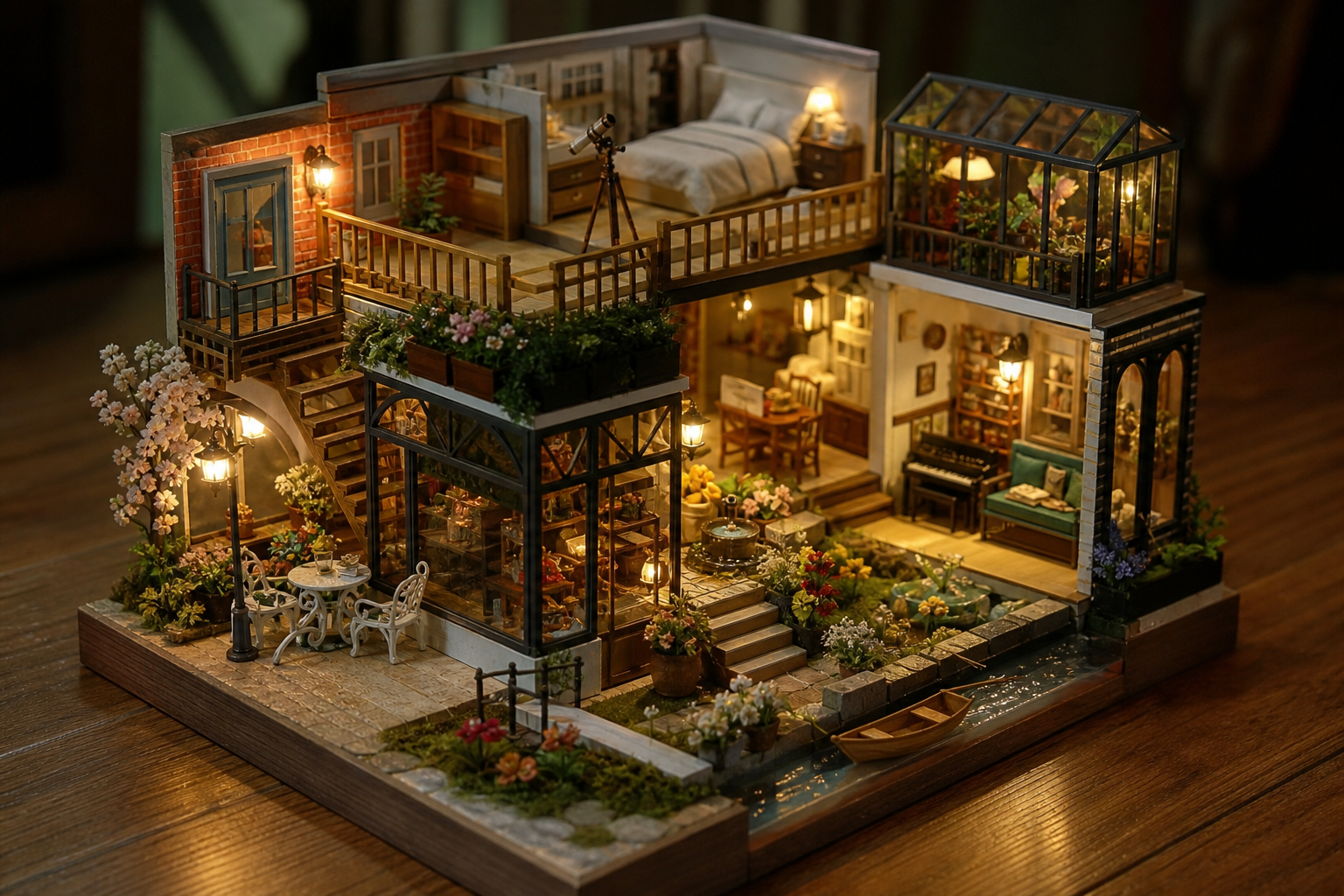
Die Kollektion umfasst verschiedene Themen – von gemütlichen Häuschen bis hin zu verspielten Szenen – die es Anfängern ermöglichen, persönliche ästhetische Vorlieben zu erkunden und gleichzeitig grundlegende Montageprinzipien zu beherrschen. Jedes Kit dieser kuratierten Auswahl legt Wert auf Klarheit und Zugänglichkeit, um sicherzustellen, dass Ihr erstes Projekt zu vorzeigbaren Ergebnissen führt und nicht zu einer Enttäuschung in der Schublade.
Überprüfung der Kit-Komponenten und Dokumentation
Die genaue Untersuchung des Paketinhaltes gibt Aufschluss über den Komplexitätsgrad. Zählen Sie die Teile – fünfzig Komponenten deuten auf eine einfachere Konstruktion hin als dreihundert. Untersuchen Sie die Materialvielfalt; Kits, die Holz, Stoff, Metall und Elektronik kombinieren, erfordern ein breiteres Spektrum an Fähigkeiten als Projekte mit nur einem Material.
Die Qualität der Anleitung unterscheidet angenehme Bauten von ärgerlichen Strapazen. Premium-Kits bieten farbcodierte Diagramme, Schritt-für-Schritt-Fotografie und mehrsprachigen Text. Vage Illustrationen oder schlecht übersetzte Anleitungen erhöhen den Schwierigkeitsgrad unabhängig von der tatsächlichen Konstruktionskomplexität. Die Recherche von Kundenfeedback bezüglich der Klarheit der Dokumentation erweist sich als von unschätzbarem Wert.
Vorgeschnittene im Gegensatz zu Rohmaterialien beeinflussen die Zugänglichkeit erheblich. Vorgestanzte Holzstücke mit nummerierten Laschen vereinfachen die Montage, während Kits, die Trimmen, Schleifen oder Anpassen erfordern, zusätzliche Fachkenntnisse und Werkzeuge verlangen.
Werkzeug- und Materialanforderungen
Inventarisieren Sie die benötigten Werkzeuge vor dem Kauf. Anfänger-Kits benötigen typischerweise nur grundlegende Klebstoffe und Pinzetten. Intermediate-Projekte können Bastelmesser, Mini-Bohrer oder spezielle Klemmen erfordern. Fortgeschrittene Baugruppen erfordern gelegentlich Lötkolben, Präzisionsmesswerkzeuge oder Malutensilien.
Wenn ein Kit Werkzeuge erfordert, die Sie nicht besitzen, berücksichtigen Sie die Anschaffungskosten und Lernkurven bei Ihrer Entscheidung. Der Kauf spezialisierter Ausrüstung für ein einzelnes Projekt erweist sich selten als wirtschaftlich, es sei denn, Sie erwarten eine fortgesetzte Nutzung.
Themen auf persönliche Interessen abstimmen
Leidenschaft fördert die Ausdauer in herausfordernden Abschnitten. Wählen Sie ein Thema, das Sie wirklich fesselt – Fantasy-Enthusiasten könnten sich zu magischen Bücherregal-Szenen hingezogen fühlen, während Naturliebhaber botanische Terrarien oder Waldhäuschen bevorzugen.
Das Hobbin's Hovel DIY Book Nook Kit veranschaulicht, wie thematische Resonanz das Bauerlebnis verbessert. Diese bezaubernde Miniatur entführt Sie in eine skurrile Welt mit charmanten architektonischen Details und erzählerischen Elementen, die die Beteiligung während des gesamten Zusammenbaus aufrechterhalten. Ihre mittlere Klassifizierung eignet sich für diejenigen, die über grundlegende Kits hinausgehen möchten, bietet aber dennoch ausreichende Anleitung für sich entwickelnde Bauherren.
Dieses spezielle Design enthält Beleuchtungselemente und dimensionale Schichten, die wertvolle Techniken vermitteln, die auf zukünftige Projekte anwendbar sind. Das Fantasy-Thema erweist sich in komplexen Phasen als besonders motivierend, da jeder abgeschlossene Abschnitt mehr erzählerische Details preisgibt. Für Bauherren, die ihre Bereitschaft für moderate Komplexität beurteilen, bieten solche thematisch reichen Kits sowohl Herausforderung als auch Inspiration.
Berücksichtigung von Support-Services und Garantien
Zuverlässiger Kundensupport unterscheidet Qualitätsanbieter von Budgetalternativen. Prüfen Sie, ob der Hersteller Ersatzteile anbietet – fehlende oder beschädigte Komponenten sollten keine ganzen Projekte zum Scheitern bringen. Der Ersatzteilservice von ROCOXIA ist ein Beispiel für diesen kundenorientierten Ansatz, der sicherstellt, dass Bauherren ihre Kreationen abschließen können, ohne Ersatzteile von Drittanbietern beschaffen zu müssen.
Rückgaberichtlinien bieten Sicherheitsnetze für Fehlkäufe. Flexible Rückgabefristen ermöglichen eine Neubewertung der Fähigkeiten, falls ein Kit sich unerwartet als herausfordernd oder zu einfach erweist. Eine sichere Zahlungsabwicklung schützt Finanzinformationen, insbesondere bei Bestellungen von internationalen Lieferanten.
Community-Ressourcen erhöhen das Erfolgspotenzial. Hersteller, die Tutorial-Videos, Builder-Foren oder reaktionsschnelle Kundendienstteams unterhalten, reduzieren effektiv die wahrgenommene Schwierigkeit durch zugängliche Anleitung.
Bewertungen und Erfahrungsberichte von Bauherren lesen
Erfahrene Bastler geben durch ehrliche Rezensionen unschätzbare Einblicke. Schauen Sie über die Sternbewertungen hinaus auf detaillierte Kommentare, die die Klarheit der Anleitung, die Materialqualität und den Zeitaufwand betreffen. Achten Sie besonders auf Rezensenten, die ihre Erfahrungsstufen erwähnen – ein Kit, das von einem erfahrenen Baumeister als „einfach“ empfunden wird, könnte Neulinge herausfordern.
Fotografische Beweise in Rezensionen offenbaren realistische Erwartungen. Professionelle Marketingbilder zeigen perfekte Montagen; Kundenfotos zeigen erreichbare Ergebnisse mit geringfügigen Unvollkommenheiten und bieten ehrliche Vorschauen auf Ihr wahrscheinliches Ergebnis.
"Ich dachte, ich könnte nach einem Anfängerprojekt fortgeschrittene Kits bewältigen, aber ich lernte, dass der Fortschritt zählt. Durch inkrementelle Schritte lernte ich Techniken, die ich jetzt selbstbewusst in komplexen Bauten anwende."
Suchen Sie nach Kommentaren zur Altersgerechtigkeit und zum pädagogischen Wert, wenn Sie Kits für Familienaktivitäten auswählen. Erwachsenenorientierte Miniaturen enthalten oft empfindliche Elemente, die trotz ihrer Zugänglichkeit für jüngere Teilnehmer ungeeignet sind.
Erkennen, wann es Zeit ist, aufzusteigen
Der Übergang zu höherer Komplexität sollte eher aufregend als einschüchternd wirken. Anzeichen für die Bereitschaft sind das bequeme Abschließen von Kits des aktuellen Levels, das Verlangen nach zusätzlicher Herausforderung und das selbstbewusste und unabhängige Lösen kleinerer Probleme.
Langeweile signalisiert überholte Schwierigkeitsgrade. Wenn die Montage eher monoton als fesselnd erscheint, übersteigen Ihre Fähigkeiten wahrscheinlich die Anforderungen des Kits. Umgekehrt deuten anhaltende Frustration oder häufige Pausen auf ein vorzeitiges Fortschreiten hin.
Übergangskits, die Kategorien überbrücken, erleichtern den Fortschritt. Suchen Sie nach Angeboten, die als „Anfänger-Plus“ oder „Einfach-Mittelstufe“ gekennzeichnet sind und neue Techniken schrittweise einführen, ohne Bauherren zu überfordern. Dieser maßvolle Ansatz verhindert Entmutigung und erweitert gleichzeitig die Fähigkeiten.
Progressive Ziele setzen
Erstellen Sie einen bewussten Fortschrittsplan statt zufälliger Auswahlen. Absolvieren Sie zwei oder drei Kits des gleichen Niveaus, um Techniken zu festigen, bevor Sie aufsteigen. Diese Wiederholung baut Muskelgedächtnis und Selbstvertrauen auf und verwandelt herausfordernde Verfahren in automatische Handlungen.
Dokumentieren Sie Ihre Reise mit Fotos und Notizen. Die Überprüfung früherer Projekte zeigt die Entwicklung Ihrer Fähigkeiten auf und beeinflusst zukünftige Käufe. Sie werden eine verbesserte Präzision, schnellere Montagezeiten und erweiterte Problemlösungsfähigkeiten feststellen.
Herausforderung und Freude ausbalancieren
Optimale Schwierigkeit erzeugt Flow-Zustände – diesen Zustand der Vertiefung, in dem die Zeit vergeht und die Kreativität aufblüht. Zu einfach erzeugt Langeweile; übermäßig komplex erzeugt Stress. Der optimale Punkt variiert individuell und erfordert experimentelle Entdeckungen.
Erwägen Sie, in Ihrer Projektwarteschlange verschiedene Schwierigkeitsgrade zu mischen. Wechseln Sie herausfordernde Bauten mit einfacheren Zwischenmahlzeiten ab, die kreative Befriedigung ohne mentale Belastung bieten. Diese Variation verhindert Burnout und erhält die Begeisterung.
Denken Sie daran, dass DIY-Kits der Freizeit dienen, nicht dem Wettbewerb. Es ist keine Schande, Anfänger-freundliche Projekte auf unbestimmte Zeit zu bevorzugen, wenn sie Freude bereiten. Umgekehrt sollten ehrgeizige Bauherren sich nicht gezwungen fühlen, in Komfortzonen zu verweilen, die kein Wachstum mehr stimulieren.
Häufig gestellte Fragen
Wie lange sollte mein erstes DIY-Kit dauern?
Anfänger-Kits erfordern typischerweise fünf bis fünfzehn Stunden, verteilt über mehrere Sitzungen. Eile beeinträchtigt Freude und Qualität, wählen Sie daher Projekte, die innerhalb Ihrer verfügbaren Freizeit über ein bis zwei Wochen bewältigt werden können.
Kann ich ein Kit modifizieren, um den Schwierigkeitsgrad zu reduzieren?
Absolut. Überspringen Sie zunächst optionale Verzierungen wie Miniaturzubehör oder Beleuchtungskomponenten. Vervollständigen Sie die Kernstruktur und fügen Sie später Erweiterungen hinzu, wenn das Selbstvertrauen wächst. Viele Bauherren behandeln Kits als Grundlagen für personalisierte Kreativität.
Was, wenn ich mitten im Projekt feststelle, dass das Kit meine Fähigkeiten übersteigt?
Pausieren Sie, anstatt aufzugeben. Konsultieren Sie Online-Tutorials, wenden Sie sich an den Hersteller-Support oder suchen Sie Hilfe in der Community. Viele scheinbar unüberwindbare Herausforderungen lassen sich mit frischen Perspektiven oder Technikdemonstrationen lösen. Wenn Sie wirklich überfordert sind, legen Sie es vorübergehend beiseite und kehren Sie zurück, nachdem Sie einfachere Projekte abgeschlossen haben, die relevante Fähigkeiten aufbauen.
Treffen Sie Ihre Auswahl mit Vertrauen
Die Auswahl geeigneter DIY-Bausätze erfordert das Verständnis von Klassifikationen, die ehrliche Einschätzung der eigenen Fähigkeiten, die Prüfung der Komponenten und die Nutzung von Support-Ressourcen. Beginnen Sie konservativ, schreiten Sie bewusst voran und priorisieren Sie Themen, die echte Begeisterung wecken.
Qualitätsanbieter wie ROCOXIA optimieren diesen Prozess durch transparente Schwierigkeitsgrade, umfassende Anleitungen und robusten Kundensupport, einschließlich Teileersatz und flexibler Rücksendungen. Diese Dienstleistungen verwandeln die Auswahl von Bausätzen von riskanten Glücksspielen in vertrauensvolle Investitionen in kreative Erfüllung.
Ihr ideales Projekt wartet – eines, das herausfordert, ohne zu überfordern, lehrt, ohne zu frustrieren, und letztendlich Rohmaterialien in greifbaren Stolz verwandelt. Vertrauen Sie Ihrem Instinkt, fangen Sie angemessen an und lassen Sie jede abgeschlossene Kreation Ihre nächste Auswahl zu immer lohnenderen Bauabenteuern leiten.
Lieben Sie Bücherwinkel? Entdecken Sie weitere Geschichten, DIY-Tipps und Einblicke hinter die Kulissen unserer Bauten auf unserem Substack | WordPress | Medium | Tumblr | Ideal House | Linktree


Teilen:
Was ist ein Bücherregal? Der vollständige Leitfaden zu DIY-Bücherregal-Kits
Weihnachtliches Bücherregal-Nischenlicht: Bringen Sie Urlaubszauber in Ihr Regal