


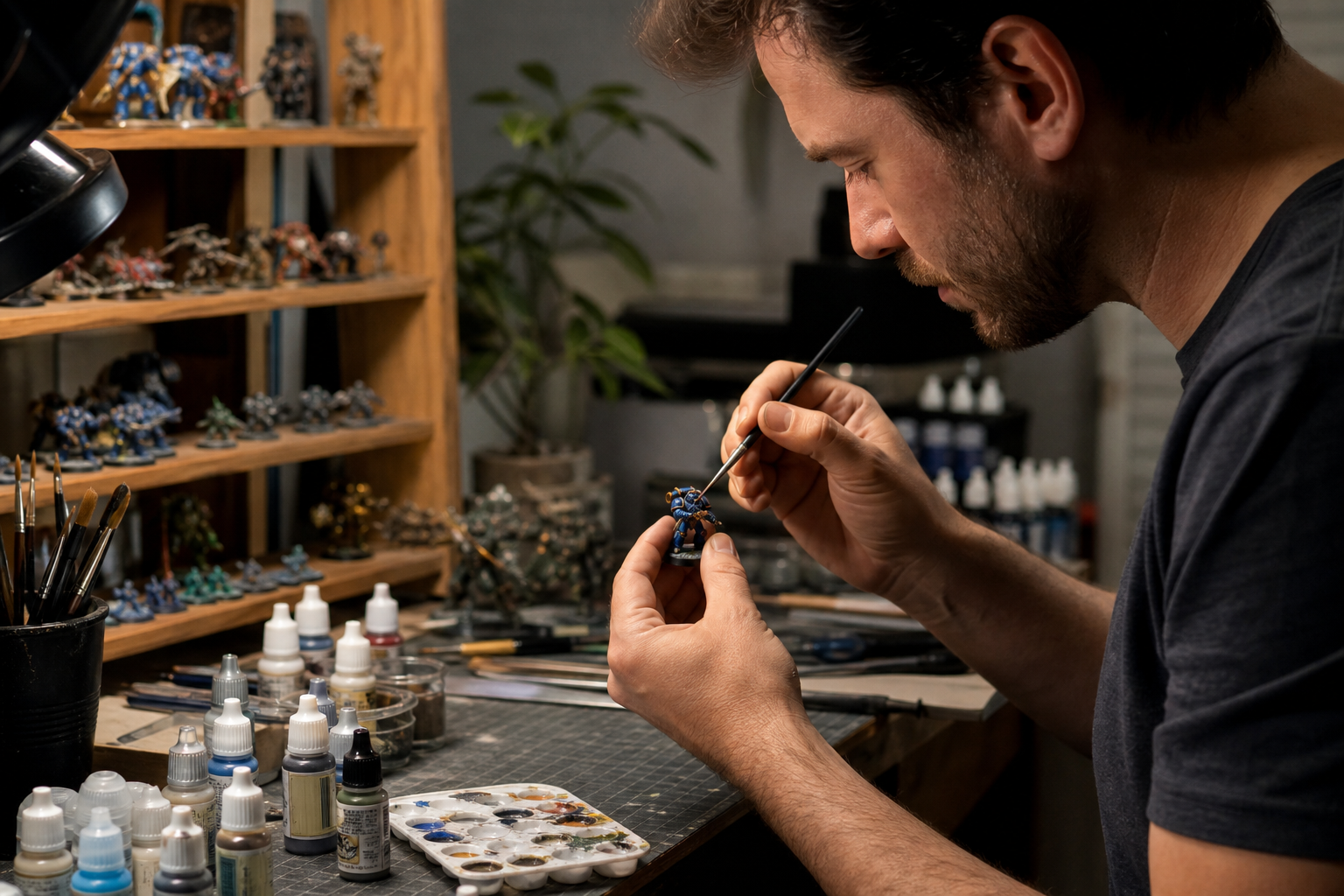
The allure of diminutive worlds has captivated enthusiasts across generations, yet the miniature hobby benefits extend far beyond simple entertainment. Adults who venture into the realm of intricate DIY miniature kits discover transformative experiences that reshape their daily routines, mental well-being, and creative capacities. From assembling meticulously crafted book nook scenes to constructing elaborate 3D wooden mechanical puzzles, this burgeoning pastime delivers profound advantages that often remain hidden from those who have never explored its depths.
What makes this craft particularly compelling is its intersection of artistry, engineering precision, and meditative focus. Unlike passive recreational activities, working with miniature kits demands intentional engagement, dexterous manipulation, and problem-solving acumen. The process of transforming raw components into cohesive, themed displays creates a unique psychological and emotional journey that modern adults increasingly crave in our fast-paced digital landscape.
Cognitive Enhancement Through Detailed Construction
The intricate nature of miniature assembly serves as an exceptional cognitive workout. Each component requires careful examination, spatial reasoning, and sequential planning—skills that sharpen neural pathways in remarkable ways. When you position tiny architectural elements or calibrate mechanical movements in a wooden puzzle, your brain engages multiple regions simultaneously, strengthening connections that benefit everyday cognitive function.
Research suggests that hands-on construction activities stimulate neuroplasticity, the brain's ability to form new neural connections throughout life. This is particularly valuable for adults seeking to maintain mental agility as they age. The concentration required to follow detailed instructions, identify minute differences between similar pieces, and execute precise glue application or fitting techniques creates a form of active meditation that simultaneously relaxes and energizes the mind.
Moreover, completing complex miniature projects builds what psychologists term "cognitive reserve"—a mental resilience that helps individuals adapt to challenges and setbacks. When you successfully troubleshoot a misaligned component or reimagine how parts fit together, you're developing problem-solving frameworks transferable to professional and personal contexts. This mental dexterity becomes an invaluable asset in navigating life's multifaceted demands.
Stress Mitigation and Emotional Equilibrium
In an era characterized by perpetual connectivity and information overload, the miniature hobby benefits manifest powerfully in stress reduction. The act of focusing on tangible, manageable tasks provides psychological respite from abstract worries and digital distractions. When your attention narrows to affixing a miniature bookshelf or painting delicate furnishings, cortisol levels naturally decrease while feel-good neurotransmitters increase.
This phenomenon, often described as "flow state," occurs when challenge and skill align perfectly. Miniature building offers adjustable difficulty levels—from straightforward house assemblies to intricate mechanical constructions—allowing hobbyists to consistently find their optimal engagement zone. The predictability of following instructions contrasts beautifully with life's uncertainties, creating a safe space for emotional regulation.
The repetitive yet varied motions involved in miniature assembly function similarly to mindfulness practices, anchoring awareness in the present moment and creating distance from ruminative thought patterns that fuel anxiety.
Additionally, the tangible results provide immediate gratification and accomplishment. Unlike many adult responsibilities where outcomes remain ambiguous or delayed, completing a book nook scene delivers visible proof of your capabilities. This concrete achievement bolsters self-efficacy and generates positive emotional momentum that extends beyond the crafting table.
Social Connectivity and Community Building
While miniature crafting might seem solitary, it opens unexpected avenues for meaningful social interaction. Enthusiasts worldwide share their creations through dedicated online communities, local workshops, and crafting meetups. These connections transcend superficial exchanges, fostering relationships built on shared passion, mutual encouragement, and collaborative learning.
Digital Communities and Knowledge Exchange
Online platforms dedicated to miniature hobbies host vibrant discussions where builders exchange techniques, troubleshoot challenges, and showcase finished projects. These digital gathering spaces create belonging without geographical constraints, allowing individuals to connect with like-minded creators across continents. The supportive atmosphere typical of these communities contrasts sharply with competitive or judgmental social environments, offering refreshing authenticity.
Gifting and Interpersonal Bonds
Completed miniature creations make extraordinary personalized gifts that communicate thoughtfulness and effort. When you invest hours assembling a themed display tailored to someone's interests, you're creating a memory vessel that commercial products cannot replicate. This gift-giving dimension strengthens interpersonal bonds while providing additional motivation to refine your crafting skills.
Furthermore, introducing friends or family members to miniature building creates shared experiences and conversation touchpoints. Collaborative projects where multiple people contribute to a single creation or work on complementary pieces simultaneously generate joyful memories while distributing the satisfaction of completion across your social circle.
Fine Motor Skill Development and Physical Benefits
The manipulation of diminutive components demands exceptional hand-eye coordination and finger dexterity. Regular engagement with miniature assembly maintains and even improves these physical capabilities, which naturally decline without intentional use. For adults, preserving fine motor skills contributes to independence in daily activities and professional tasks requiring precision.
The varied movements involved—twisting, pinching, positioning, gluing—exercise different muscle groups and movement patterns. This diversity prevents repetitive strain while maintaining joint flexibility and tactile sensitivity. The careful pressure modulation needed to avoid damaging delicate pieces also enhances proprioceptive awareness, your body's understanding of its position and force application.
| Physical Aspect | Miniature Hobby Impact | Long-Term Benefit |
|---|---|---|
| Hand Dexterity | Manipulating small components | Maintained precision in daily tasks |
| Visual Acuity | Identifying minute details | Enhanced observational skills |
| Postural Control | Sustained focused positioning | Improved ergonomic awareness |
| Bilateral Coordination | Two-handed assembly techniques | Better interhemispheric brain function |
Additionally, the visual focus required for detailed work can strengthen eye muscles and enhance visual discrimination abilities. While this doesn't replace professional vision care, it provides beneficial visual engagement that contrasts with screen-dominated activities. The three-dimensional nature of miniature projects also exercises depth perception in ways that flat digital interfaces cannot.
Creative Expression and Aesthetic Development
Perhaps the most profound miniature hobby benefits emerge through creative self-expression. While many kits include instructions, they simultaneously offer boundless opportunities for personalization, modification, and artistic interpretation. Choosing color schemes, arranging decorative elements, and even designing custom components allows your unique aesthetic sensibilities to flourish.
This creative autonomy proves particularly valuable for adults whose professional lives offer limited expressive outlets. The miniature canvas becomes a space where personal vision takes precedence over external expectations or commercial objectives. Whether replicating historical periods, imagining fantastical realms, or celebrating cultural traditions, your thematic choices reflect and refine your artistic identity.
The iterative nature of miniature building also cultivates aesthetic discernment. As you complete successive projects, you develop increasingly sophisticated understanding of composition, color theory, scale relationships, and atmospheric effects. These refined sensibilities often migrate beyond the hobby itself, influencing how you approach interior design, photography, wardrobe selection, and other visual domains.
Customization and Personal Vision
Advanced practitioners frequently modify standard kits or design entirely original creations. This progression from following instructions to authoring original works represents significant creative maturation. The confidence gained through successful customization encourages risk-taking and experimentation—attributes that enhance innovation across all life areas.
Preservation of Traditional Craftsmanship
Engaging with miniature hobbies connects you to centuries-old traditions of model-making and artisanal craftsmanship. This historical continuity provides perspective on human creativity's enduring value while preserving techniques that might otherwise fade in our mass-production era. Understanding traditional joinery, painting methods, and material properties links contemporary hobbyists to master craftspeople across generations.
Practical Considerations for Beginning Your Miniature Journey
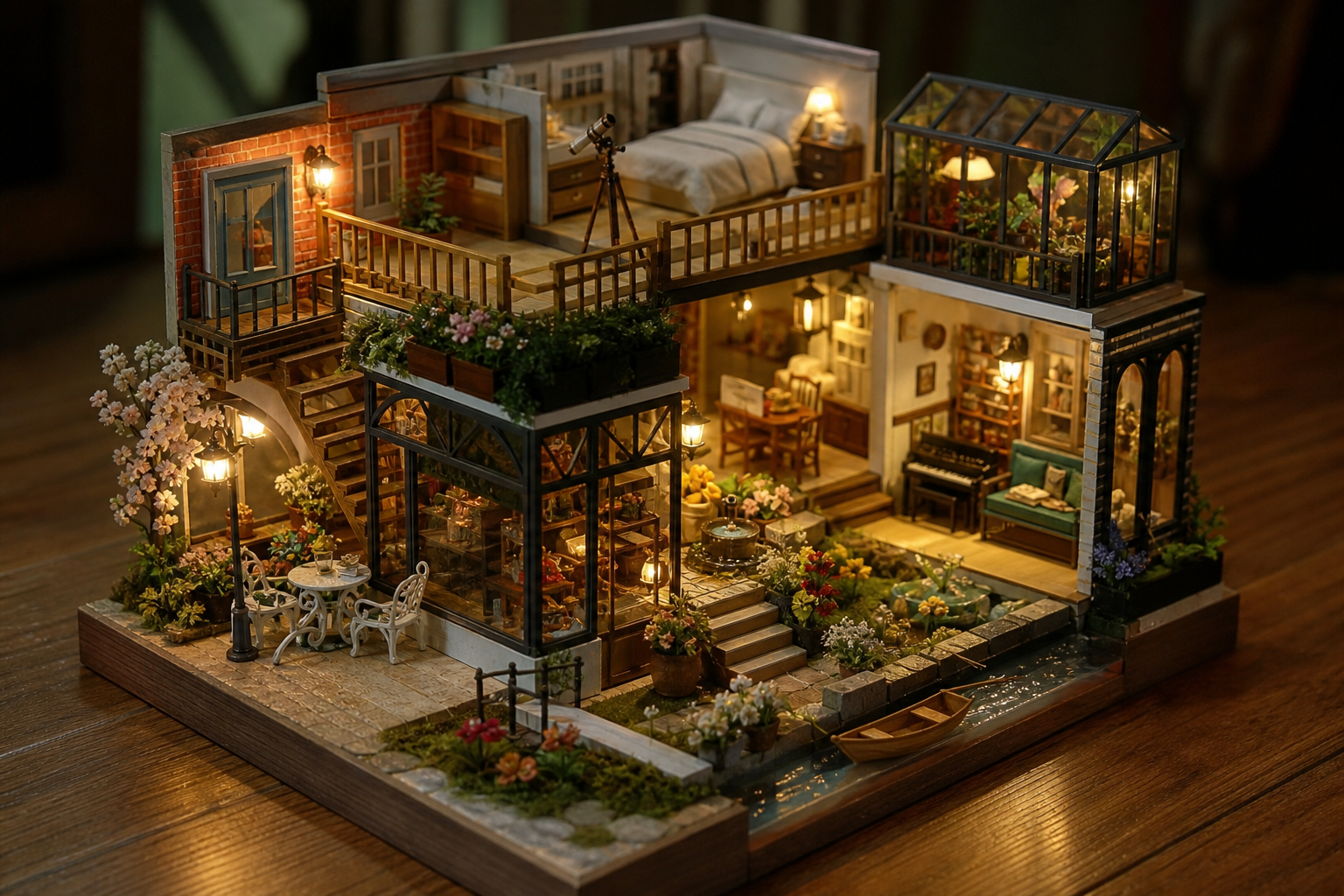
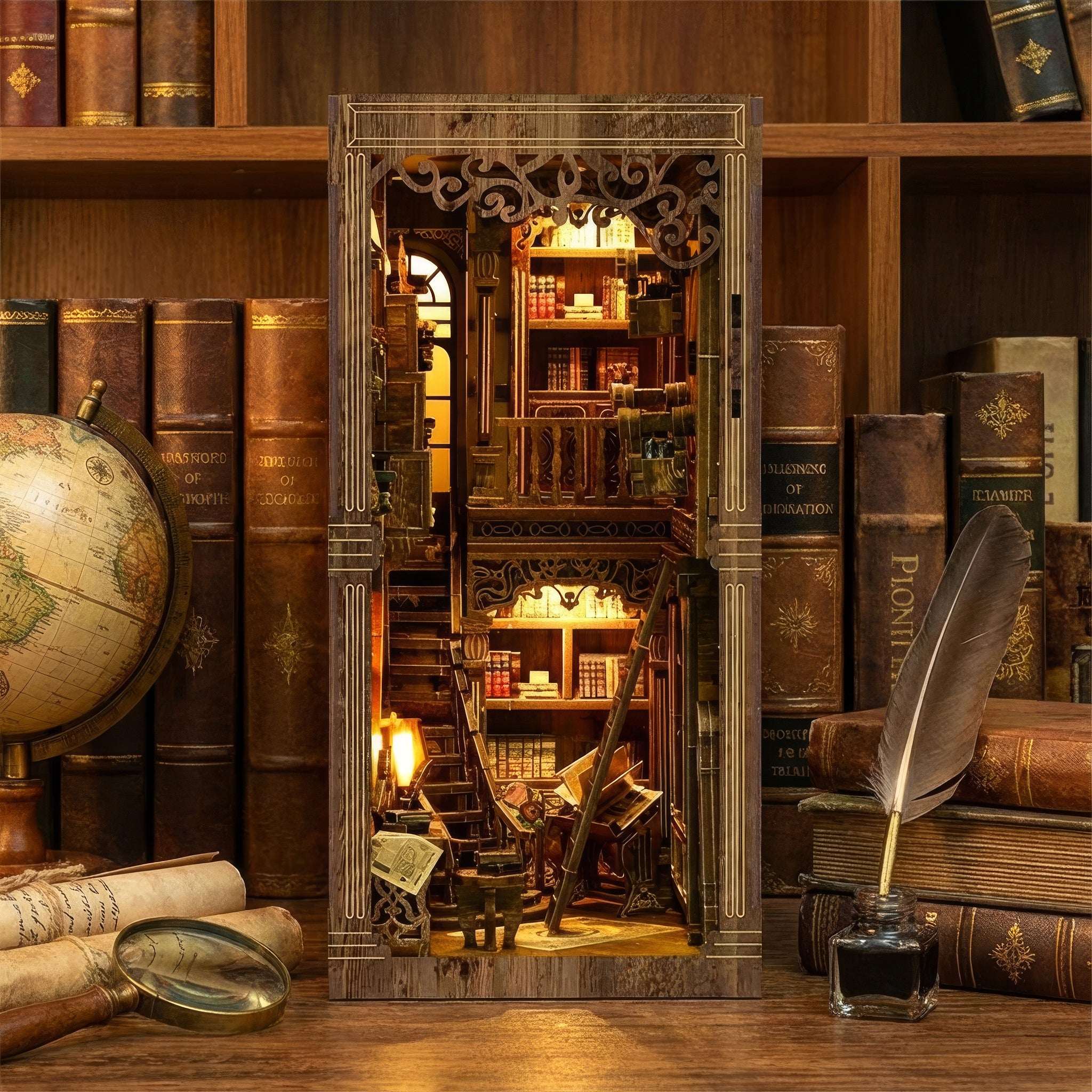
For those intrigued by these miniature hobby benefits but uncertain where to commence, starting with quality kits designed for beginners ensures positive initial experiences. Look for offerings that include comprehensive instructions, necessary tools, and replacement part availability. ROCOXIA's curated selection of DIY miniature kits provides excellent entry points, featuring book nook scenes, mini houses, and mechanical puzzles with varying complexity levels.
Establish a dedicated workspace with adequate lighting and organizational systems for components. Good illumination prevents eye strain while compartmentalized storage solutions minimize frustration from lost pieces. Investing in quality adhesives, precision tools, and magnification devices appropriate to your vision needs enhances both enjoyment and outcomes.
- Begin with kits matching your current skill level rather than aspirational complexity
- Allocate uninterrupted time blocks to maintain flow state and project continuity
- Document your progress through photography to track skill development
- Join online communities to access troubleshooting support and inspiration
- Consider the display context for finished pieces when selecting project themes
- Embrace imperfections as learning opportunities rather than failures
Frequently Asked Questions About Miniature Hobbies
How much time should I expect to invest in a typical miniature project?
Project duration varies considerably based on complexity and your pace. Simple book nook kits might require 8-12 hours across several sessions, while elaborate mechanical puzzles or detailed house replicas could demand 30-50 hours. The beauty lies in the flexibility—you control the tempo, working in focused sprints or leisurely intervals according to your schedule and energy levels.
Do I need artistic talent or previous crafting experience?
Absolutely not. Quality miniature kits include detailed instructions that guide you through each step, making prior experience unnecessary. The hobby actually develops artistic skills progressively. Your first project teaches fundamental techniques, while subsequent builds naturally advance your capabilities. Many accomplished miniature artists began with zero crafting background, discovering latent talents through consistent practice.
What if I make mistakes or damage components during assembly?
Errors constitute normal parts of the learning process. Reputable suppliers like ROCOXIA offer parts replacement services specifically addressing this concern. Additionally, most mistakes prove fixable with patience—excess glue can be carefully removed, misaligned pieces often reposition, and imperfect paint applications layer over. The forgiving nature of miniature work encourages experimentation without permanent consequences.
Can miniature hobbies accommodate physical limitations or disabilities?
Many individuals with various physical conditions successfully enjoy miniature crafting through adaptive techniques and assistive tools. Magnifying devices assist those with vision challenges, ergonomic tool modifications help with grip strength limitations, and project selection can match individual capabilities. The hobby's flexibility allows customization to personal needs while still delivering its core benefits.
The transformative potential of miniature hobbies extends well beyond simple leisure. These activities reshape cognitive function, emotional well-being, social connections, physical capabilities, and creative expression in interconnected ways. Whether you're seeking stress relief, mental stimulation, artistic outlets, or simply engaging recreation, the world of diminutive craftsmanship offers surprising depth and accessibility. The investment in quality kits, dedicated time, and patient practice yields returns that enrich multiple dimensions of adult life, proving that sometimes the smallest endeavors generate the most significant impacts.

Partager:
Explore Wizard Academy & Magic School DIY Collections
DIY Miniature Assembly Tips Every Beginner Should Know