



- Why Adults Need Dedicated Relaxation Through Hobbies
- 1. Miniature World Building
- The Art of Small-Scale Craftsmanship
- Therapeutic Benefits of Detail-Oriented Assembly
- 2. Three-Dimensional Mechanical Puzzles
- 3. Botanical Terrarium Design
- Enclosed Ecosystems as Living Art
- Mindful Maintenance Rituals
- 4. Artisanal Soap and Candle Crafting
- 5. Calligraphic Lettering and Journaling
- 6. Slow-Stitch Embroidery and Needlework
- Reclaiming Traditional Fiber Arts
- The Neurological Magic of Repetitive Motion
- 7. Analog Photography and Darkroom Processing
- Integrating Relaxing Hobbies Into Demanding Schedules
- Selecting Your Ideal Relaxing Hobby
- The Enduring Value of Hands-On Creativity
Modern life cascades with obligations, digital noise, and perpetual motion. Adults today crave sanctuaries of tranquility—pursuits that quiet the mind while igniting creative sparks. Relaxing hobbies for adults offer more than mere distraction; they construct bridges between chaos and calm, transforming idle moments into restorative experiences that nourish mental well-being and cultivate tangible skills.
The landscape of leisure activities has evolved dramatically. Where previous generations sought passive entertainment, contemporary adults gravitate toward immersive, hands-on endeavors that yield both psychological benefits and physical artifacts. These pursuits become anchors in turbulent schedules, offering predictable rhythms and measurable progress that counterbalance life's uncertainties.
Why Adults Need Dedicated Relaxation Through Hobbies
The cortisol-soaked modern existence demands intentional decompression strategies. Relaxing hobbies for adults function as neural reset mechanisms, engaging different cognitive pathways than those activated during professional responsibilities. When fingers manipulate miniature components or hands shape materials into form, the prefrontal cortex enters a meditative state researchers call "flow"—that coveted zone where time dissolves and stress evaporates.
Unlike passive screen consumption, active hobbies generate dopamine through achievement cycles. Each completed step, assembled piece, or finished project delivers micro-rewards that accumulate into profound satisfaction. This neurochemical feedback loop reinforces healthy coping mechanisms while building resilience against burnout and anxiety.
Furthermore, hobbies create tangible evidence of competence. In careers where outcomes feel abstract or perpetually incomplete, crafting something physical—a miniature structure, a wooden puzzle, a detailed scene—provides concrete validation. This tangibility anchors self-worth in observable skill rather than external validation.
1. Miniature World Building
The Art of Small-Scale Craftsmanship
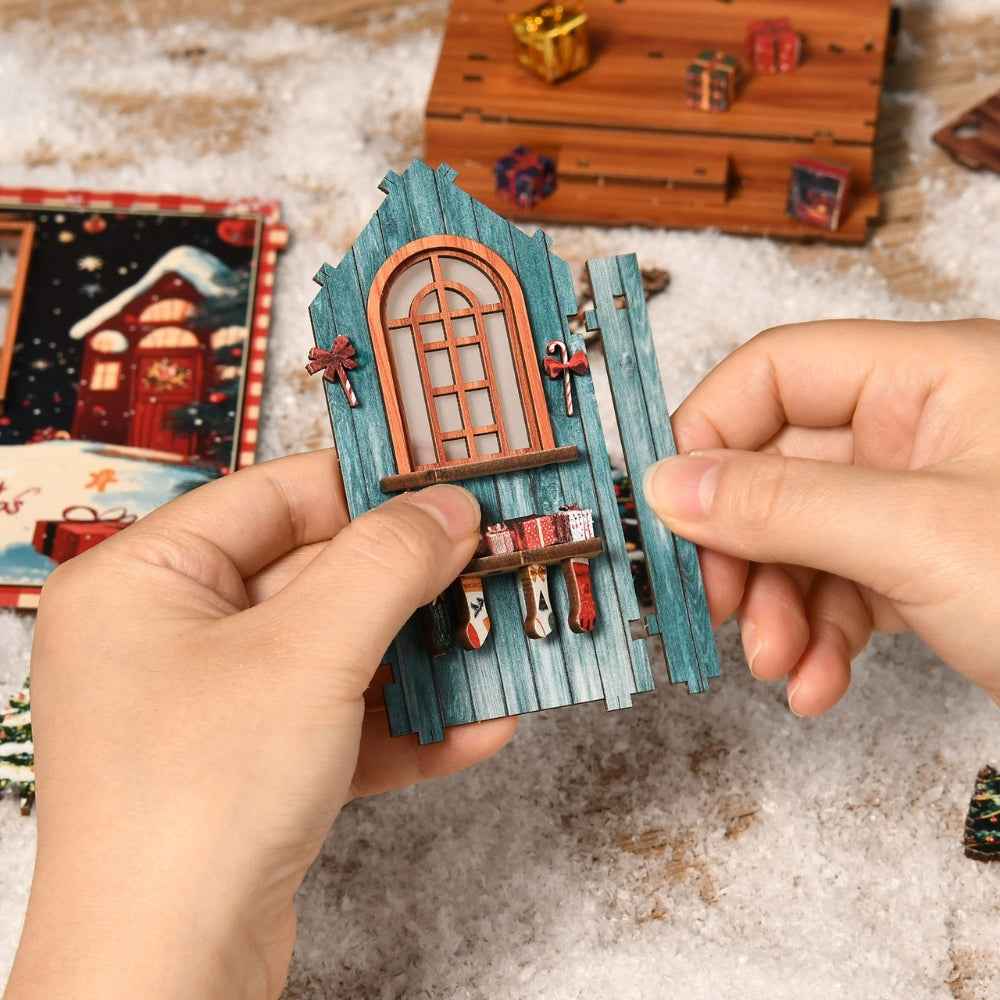
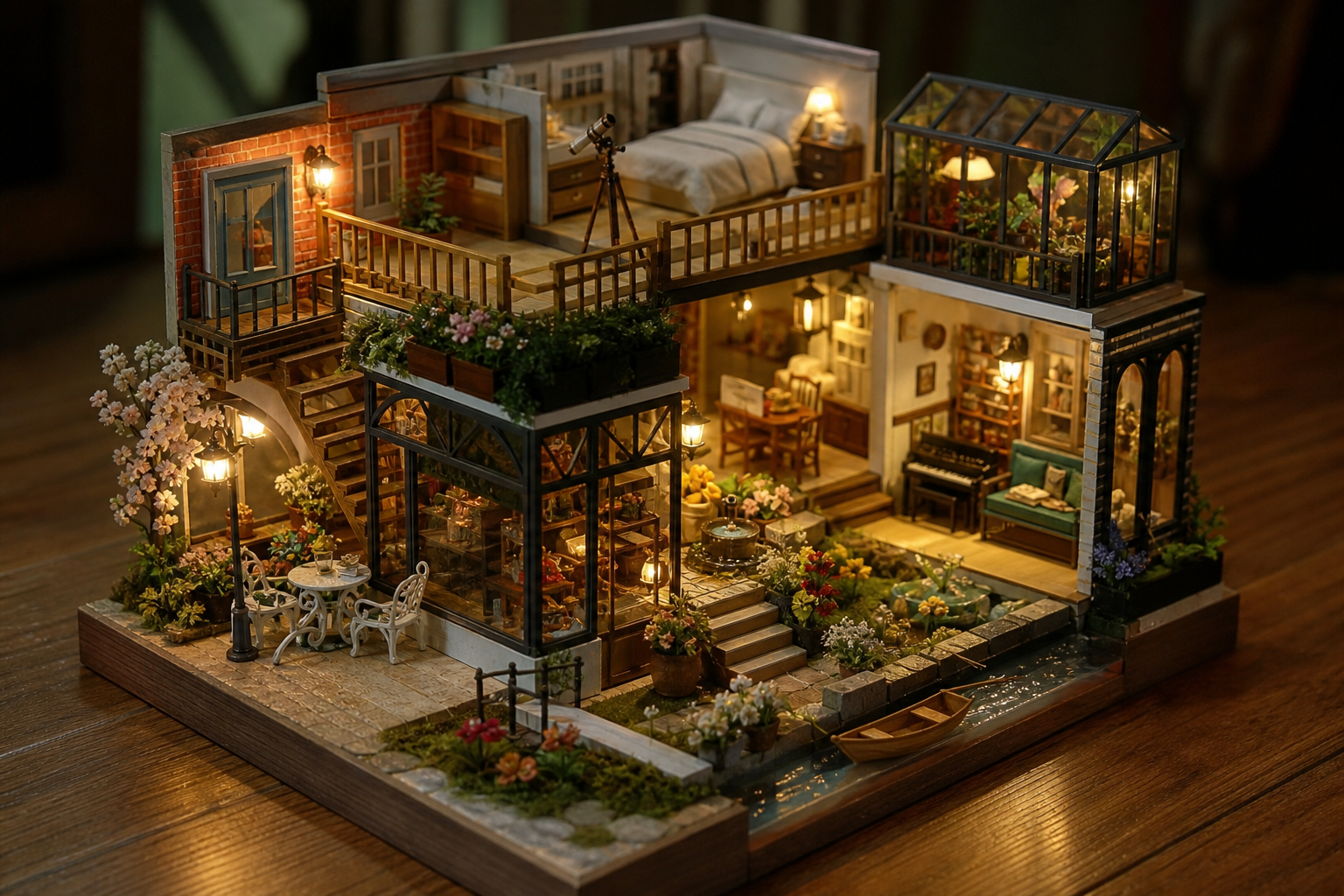
Constructing diminutive environments combines architectural precision with artistic vision. Miniature world building transcends simple model-making, evolving into immersive storytelling through scale. Whether assembling intricate book nook scenes that nestle between volumes on shelves or crafting elaborate miniature houses complete with functional lighting and furnishings, this hobby demands focused attention that crowds out anxious thoughts.
The meticulous nature of working with tiny components—placing millimeter-scale furniture, applying minute decorative elements, wiring LED circuits—requires such concentration that practitioners report entering trance-like states. Hours evaporate as fingers position miniature books on shelves no larger than postage stamps or arrange botanical elements in gardens measured in square inches.
Therapeutic Benefits of Detail-Oriented Assembly
Miniature construction activates both hemispheres of the brain simultaneously. The left hemisphere engages with sequential instruction-following and spatial reasoning, while the right hemisphere explores color coordination, aesthetic composition, and thematic cohesion. This bilateral activation promotes neural integration associated with reduced rumination and improved emotional regulation.
The hobby also accommodates various skill levels through progressive complexity. Beginners might start with simpler structures featuring pre-cut components and straightforward assembly sequences. Advanced practitioners graduate to elaborate multi-room constructions requiring modifications, customizations, and creative problem-solving. This scalability ensures sustained engagement without overwhelming novices or boring experienced builders.
The beauty of miniature craftsmanship lies not in the destination but in the meditative journey—each tiny piece placed becomes a moment of present-centered awareness.
2. Three-Dimensional Mechanical Puzzles
Wooden mechanical puzzles represent the intersection of engineering elegance and tactile satisfaction. Unlike traditional flat puzzles, these three-dimensional constructions involve interlocking gears, movable components, and kinetic elements that transform static objects into functional mechanisms. The assembly process teaches fundamental mechanical principles while delivering the gratification of watching wooden components mesh into operational systems.
These puzzles range from automata that perform whimsical movements to functional models of historical machinery. Each piece must be carefully extracted from laser-cut sheets, often requiring light sanding to ensure smooth operation. The methodical preparation and assembly cultivate patience—a increasingly rare commodity in accelerated modern culture.
The sensory experience enhances the relaxation quotient. The subtle vanilla scent of cut plywood, the satisfying click of pieces snapping into alignment, the smooth rotation of finished gears—these multi-sensory elements ground practitioners in physical sensation rather than abstract worry. Upon completion, these puzzles become kinetic sculptures, conversation pieces that commemorate invested effort.
3. Botanical Terrarium Design
Enclosed Ecosystems as Living Art
Terrarium cultivation marries horticultural science with aesthetic composition. Creating self-sustaining miniature landscapes within glass vessels requires understanding moisture cycles, plant compatibility, and layered substrate arrangements. The practice offers both immediate creative satisfaction and ongoing nurturing responsibilities that provide structure without overwhelming obligation.
The process begins with selecting appropriate vessels—everything from geometric glass containers to repurposed apothecary jars. Layering activated charcoal, specialized soil mixtures, and decorative stones establishes drainage systems that prevent root rot. Plant selection considers growth rates, humidity requirements, and visual harmony. Positioning miniature ferns, mosses, and succulents creates living dioramas that evolve over weeks and months.
Mindful Maintenance Rituals
Unlike hobbies demanding continuous active engagement, terrarium stewardship involves periodic maintenance sessions. Misting plants, pruning overgrowth, and monitoring condensation becomes meditative rituals. These brief check-ins provide micro-breaks during hectic days, offering moments of connection with living systems that operate on entirely different temporal scales than human concerns.
Terrariums also function as biophilic anchors, bringing natural elements into environments dominated by synthetic materials and artificial lighting. Research consistently demonstrates that proximity to plant life reduces physiological stress markers, lowers blood pressure, and improves concentration. A desktop terrarium transforms workspace environments into restorative zones.
4. Artisanal Soap and Candle Crafting
Creating handcrafted soaps and candles engages olfactory pathways while teaching chemistry fundamentals. The alchemy of transforming oils, lye, and botanicals into luxurious cleansing bars or blending waxes with fragrance compounds into ambient lighting sources provides both scientific education and practical outputs.
Cold process soap-making requires precise measurements and careful observation of saponification reactions. Selecting oil combinations—coconut for lather, olive for conditioning, shea for creaminess—involves understanding fatty acid profiles and their skin benefits. Adding botanical colorants, exfoliating additives, or essential oil blends personalizes each batch into signature creations.
Candle crafting offers similar customization opportunities. Soy wax, beeswax, and paraffin alternatives each burn differently, requiring temperature monitoring and proper wick sizing. Experimenting with fragrance combinations—woodsy base notes anchored by citrus top notes, floral heart notes balanced by vanilla—develops sophisticated scent literacy. The finished products serve functional purposes while manifesting invested creativity.
| Hobby Type | Primary Benefit | Time Investment | Skill Development |
|---|---|---|---|
| Miniature Building | Focus & Detail Mastery | 10-40 hours per project | Fine motor skills, spatial reasoning |
| Mechanical Puzzles | Problem-Solving | 5-15 hours per puzzle | Mechanical understanding, patience |
| Terrarium Design | Living Connection | 2-3 hours initial, 15 min weekly | Botanical knowledge, ecosystem balance |
| Soap & Candle Crafting | Sensory Engagement | 3-5 hours per batch | Chemistry basics, scent composition |
5. Calligraphic Lettering and Journaling
The deliberate formation of letters reconnects practitioners with tactile literacy increasingly displaced by keyboard typing. Modern calligraphy encompasses various styles—from classical Copperplate scripts to contemporary brush lettering. The practice requires attention to stroke pressure, letter spacing, and rhythmic motion that synchronizes breathing with mark-making.
Beyond aesthetic letter formation, many adults integrate calligraphy into journaling practices. The slower pace of handwriting compared to typing creates natural processing space for thoughts. Writing reflections in elegant scripts transforms mundane documentation into artistic expression. Some practitioners develop "commonplace books"—curated collections of quotations, observations, and reflections rendered in beautiful lettering.
The materials themselves become sources of delight. Fountain pens with flexible nibs, richly pigmented inks in jewel tones, smooth-textured papers that accept wet media without feathering—assembling a personal toolkit becomes part of the hobby's pleasure. The sensory feedback of nib gliding across paper, watching ink flow and pool, observing how different paper textures affect stroke quality—these experiences anchor awareness in present moments.
6. Slow-Stitch Embroidery and Needlework
Reclaiming Traditional Fiber Arts
Embroidery experiences renaissance among adults seeking screen-free relaxation. The "slow-stitch" movement emphasizes meditative repetition over rapid completion. Each needle penetration, thread pull, and knot formation becomes a mindful act. Unlike production-oriented crafting, slow-stitch values process over product, journey over destination.
Contemporary embroidery transcends traditional floral motifs, embracing abstract designs, modern illustration styles, and even text-based pieces. Practitioners personalize clothing, create wall art, or embellish household linens with unique designs. The portability of embroidery projects—requiring only fabric, needles, thread, and a small hoop—enables crafting during commutes, waiting periods, or quiet evenings.
The Neurological Magic of Repetitive Motion
Rhythmic stitching activates similar neural pathways as meditation and prayer practices. The bilateral coordination required—one hand stabilizing fabric while the other guides the needle—promotes interhemispheric communication. Studies of fiber artists reveal increased alpha wave activity associated with relaxed alertness and decreased beta waves linked to anxious thinking.
The hobby also connects practitioners to lineages of makers. Using techniques perfected over centuries, working with materials humans have manipulated for millennia, creates temporal continuity. This historical connection combats the ephemeral nature of digital culture, anchoring practitioners in traditions that transcend individual lifespans.
7. Analog Photography and Darkroom Processing
Film photography's resurgence reflects appetite for deliberate creation in an era of infinite digital captures. Shooting film imposes beneficial constraints—limited frames encourage compositional mindfulness, manual focus demands attention, and the delayed gratification of processing counters instant-result conditioning.
Developing film and printing photographs in darkrooms transforms chemical processes into alchemical experiences. The amber glow of safelights, the acrid scent of developer solutions, the magical emergence of images in fixer baths—these sensory elements create ritualistic experiences impossible to replicate digitally. Each stage requires presence; wandering thoughts result in ruined negatives or poorly exposed prints.
The hobby teaches valuable lessons about imperfection and acceptance. Light leaks, grain, unexpected artifacts—elements digital photographers eliminate—become cherished characteristics that evidence process. This philosophical shift toward embracing imperfection extends beyond photography, cultivating self-compassion applicable throughout life.
Integrating Relaxing Hobbies Into Demanding Schedules
The primary obstacle adults face isn't lack of interest but perceived time scarcity. Strategic integration requires reframing hobbies not as optional luxuries but essential wellness practices. Blocking dedicated time slots—even thirty-minute segments—establishes sustainable rhythms. Viewing hobby time as non-negotiable appointments with oneself shifts priority frameworks.
Creating dedicated spaces amplifies commitment. A corner workstation with organized supplies reduces friction between impulse and action. When materials remain accessible and partially completed projects sit visible, continuing work requires minimal activation energy. Conversely, storing everything in closets guarantees neglect.
- Schedule hobby sessions as calendar appointments to establish consistent practice
- Prepare dedicated workspace with organized, accessible materials
- Start with achievable projects to build momentum and confidence
- Join communities—online or local—for inspiration and accountability
- Document progress through photos to visualize skill development over time
- Combine hobbies with social connection by inviting friends to parallel craft sessions
Connecting with communities amplifies enjoyment and sustains motivation. Online forums, local guilds, and social media groups provide inspiration, troubleshooting assistance, and validation. Sharing completed projects elicits encouraging feedback that reinforces continued practice. Some practitioners find accountability partners who commit to parallel progress, sharing updates and celebrating milestones together.
Selecting Your Ideal Relaxing Hobby
Matching hobbies to personality and preferences determines long-term sustainability. Introverts might gravitate toward solitary pursuits like miniature building or embroidery, while extroverts may prefer hobbies with robust social communities. Those seeking immediate results might choose shorter projects like mechanical puzzles over long-term commitments like elaborate miniature houses.
Experimentation precedes commitment. Many suppliers offer starter kits that include essential materials and beginner-friendly projects. These lower-risk introductions allow sampling various activities before investing in comprehensive toolkits. Attending workshops or watching tutorial videos provides realistic previews of required skills and processes.
Consider complementary hobby pairings. Someone who loves miniature construction might also enjoy terrarium design, as both involve creating small-scale environments. Calligraphy practitioners often discover affinity for embroidery through shared appreciation for deliberate, detail-oriented handwork. These synergies create richer creative ecosystems where skills transfer across domains.
The Enduring Value of Hands-On Creativity
Relaxing hobbies for adults represent more than leisure activities—they constitute essential infrastructure for sustainable well-being. In cultures that commodify every moment and monetize every skill, hobbies preserve sacred space for creation without obligation, for learning without evaluation, for making without market considerations.
These pursuits cultivate competencies that extend far beyond specific techniques. Patience developed while assembling intricate miniature components transfers to professional problem-solving. Focus honed through detailed embroidery enhances concentration during complex tasks. Comfort with imperfection learned through analog photography fosters resilience during setbacks.
As 2026 unfolds with its inevitable technological accelerations and societal complexities, the antidote isn't disconnection but intentional engagement with activities that restore rather than deplete. Whether constructing miniature worlds, solving mechanical puzzles, nurturing terrariums, crafting artisanal products, forming beautiful letters, stitching meditative patterns, or processing analog photographs, adults discover that true relaxation emerges not from passive consumption but active creation.
The journey toward incorporating relaxing hobbies begins with single steps—purchasing that first miniature kit, mixing initial soap batches, threading that inaugural embroidery needle. Each small action compounds into transformative practice, building lives textured with beauty, competence, and profound satisfaction that no digital experience can replicate.
Love book nooks? Explore more stories, DIY tips, and behind-the-scenes builds on our Substack | WordPress | Medium | Tumblr | Ideal House | Linktree

Share:
How to Display DIY Miniature Houses in Small Spaces
What Is a Book Nook? The Complete Guide to DIY Book Nook Kits