



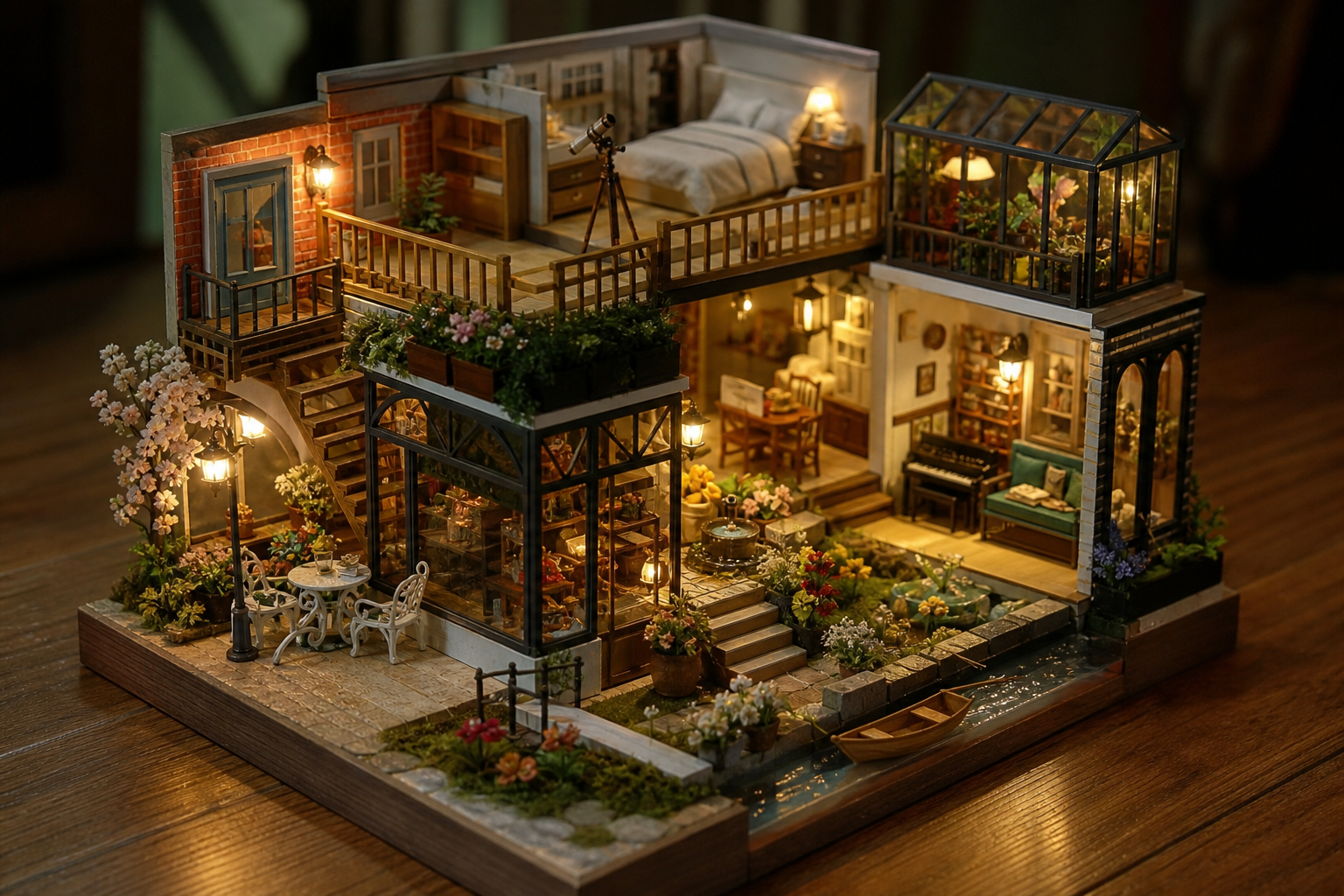
Für Kreative, die sich an der akribischen Kunst des Handbaus erfreuen, bieten magische Miniatur-Baukästen eine immersive Reise in verzauberte Reiche. Diese DIY-Zusammenstellungen gehen über gewöhnliche Bastelarbeiten hinaus und verwandeln rohe Komponenten in bezaubernde Darstellungen, die das Wunder von arkana Akademien und mystischen Bildungseinrichtungen einfangen. Jedes Teil wird zu einem Portal, das Sie einlädt, fantastische Räume zu gestalten, in denen Zauberei und Gelehrsamkeit in Ihren eigenen vier Wänden ineinandergreifen.
Der Reiz dieser verzauberten Konstruktionssets liegt in ihrer Fähigkeit, taktile Beteiligung mit fantasievollem Geschichtenerzählen zu verbinden. Im Gegensatz zu passiven dekorativen Käufen erfordern diese Kits Geduld, Präzision und kreative Interpretation – Eigenschaften, die bei Bastlern, die eine sinnvolle Beschäftigung jenseits digitaler Ablenkungen suchen, großen Anklang finden. Der Montageprozess selbst wird zu einer Meditation, die eine Atempause vom Alltag bietet und gleichzeitig eine greifbare Errungenschaft schafft, die Sie mit Stolz präsentieren können.
Der Zauber des Miniaturenbaus mit Zaubererthema
Die Themen der Zaubererakademie greifen eine universelle Faszination für esoterisches Wissen und übernatürliche Fähigkeiten auf. Diese magischen Miniatur-Baukästen bilden die Atmosphäre heiliger Hallen nach, in denen angehende Zauberer Beschwörungsformeln meistern, Laboratorien zum Tränkebrauen voller seltsamer Zutaten und Bibliotheken mit ledergebundenen Zauberbüchern. Der thematische Reichtum sorgt für unendliches visuelles Interesse, mit architektonischen Details, die eine genaue Betrachtung belohnen – Wasserspeier-Gesimse, Spitzbögen und winzige Kristallkugeln, die mit innerer Leuchtkraft zu glühen scheinen.
Was Premium-Kits von gewöhnlichen Alternativen unterscheidet, ist die Liebe zum Detail. Hochwertige Angebote zeichnen sich durch laserpräzise Komponenten, authentische Materialtexturen aus, die gealtertes Holz und verwitterten Stein nachahmen, sowie Zubehör, das Szenen mit narrativer Tiefe füllt. Ein Kessel über winzigen Flammen, Bücherregale voller winziger Folianten oder winzige Messingteleskope, die auf Sternkarten gerichtet sind – diese Elemente verwandeln Zusammenstellungen von bloßen Modellen in erzählerische Vignetten.
Entdecken Sie die Zaubererakademie-Kollektion von ROCOXIA
Für Liebhaber, die eine kuratierte Auswahl an Builds zum Thema Magie suchen, bieten spezialisierte Kollektionen thematische Kohärenz und Vielfalt. Die Wizard Academy Kollektion von ROCOXIA präsentiert eine Anthologie von Kits, die speziell entwickelt wurden, um verschiedene Facetten mystischer Bildungsumgebungen einzufangen. Von Zaubertrank-Klassenzimmern bis hin zu verzauberten Observatorien bewahrt jedes Kit innerhalb der Kollektion ästhetische Konsistenz und bietet gleichzeitig unterschiedliche Konstruktionsherausforderungen und Präsentationseigenschaften.
Diese kuratierte Zusammenstellung löst ein häufiges Problem von Miniatur-Enthusiasten: passende Stücke zu finden, die optisch harmonieren, wenn sie zusammen ausgestellt werden. Anstatt disparate Kits zu erwerben, die stilistisch kollidieren, sorgt die Wizard Academy Kollektion dafür, dass Ihre fertigen Projekte einen zusammenhängenden magischen Campus bilden. Die thematische Einheit ermöglicht es Ihnen, ausgedehnte Tableaus zu erstellen, die breitere Erzählungen erzählen, wobei jedes einzelne Kit als Kapitel in Ihrer Geschichte der verzauberten Akademie dient.
Die Breite der Kollektion berücksichtigt unterschiedliche Fähigkeiten und Zeitaufwände. Anfänger können mit einfacheren Konstruktionen mit weniger Komponenten beginnen, während erfahrene Bastler aufwendige Designs mit mechanischen Elementen, Beleuchtungssystemen und mehrkammerigen Layouts in Angriff nehmen. Diese Skalierbarkeit gewährleistet ein kontinuierliches Engagement, sodass Ihre Fähigkeiten mit zunehmend ambitionierten Projekten wachsen können.
Spotlight auf Hogsmoor Station: Wo Magie auf Transit trifft
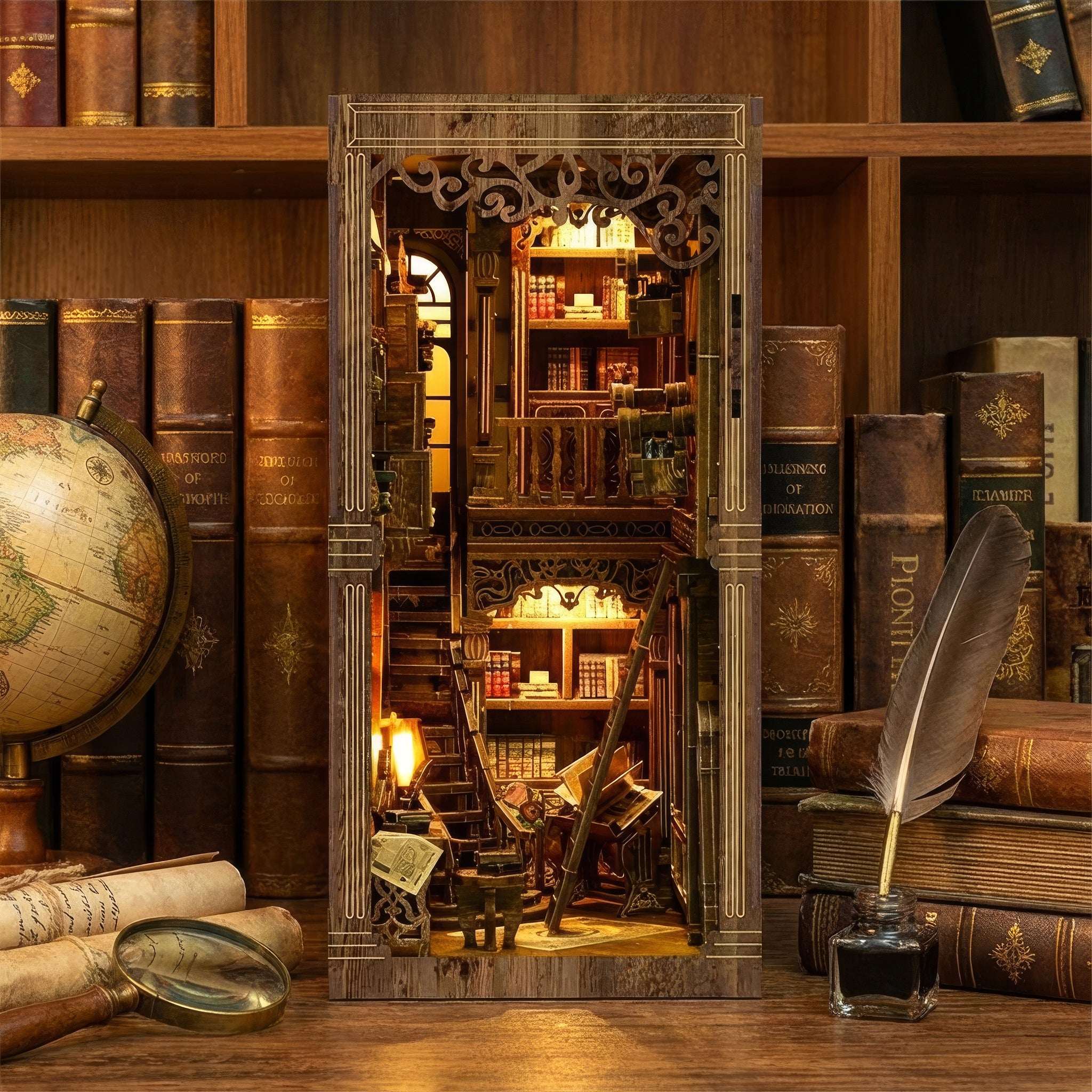
Zu den herausragenden Angeboten, die magische akademische Themen mit architektonischer Raffinesse verbinden, gehört das Hogsmoor Station DIY Book Nook Kit. Dieses geniale Design interpretiert das Konzept der Book Nooks – jene in Regale eingefügten Dioramen, die zwischen Büchern liegen – als fantastischen Bahnsteig, auf dem junge Zauberer ihre schulischen Reisen antreten. Das Kit löst brillant das Ausstellungsproblem, mit dem viele Bastler konfrontiert sind: wie man Miniaturkunstwerke in bestehenden Wohnräumen ohne spezielle Regalsysteme präsentieren kann.
Das Design der Hogsmoor Station zeichnet sich durch charakteristische Eisenbahnarchitektur im Miniaturmaßstab aus: Gewölbedecken mit freiliegendem Eisenwerk, Vintage-Gepäckwagen und Bahnsteigschilder, die Reisende zu mystischen Zielen leiten. Die vertikale Ausrichtung maximiert die visuelle Wirkung bei minimalem Platzbedarf und ist somit ideal für Wohnungsbewohner oder Personen mit begrenztem Ausstellungsraum. In die Struktur integrierte LED-Beleuchtungselemente erzeugen eine atmosphärische Beleuchtung, die architektonische Details hervorhebt und Tiefenwahrnehmung schafft.
Dieses spezielle Kit veranschaulicht, wie magische Miniatur-Baukästen zwei Zwecke erfüllen können – sowohl als spannende Bauprojekte als auch als funktionale dekorative Elemente. Das Book-Nook-Format fügt sich nahtlos in bestehende Bibliothekssammlungen ein und verwandelt gewöhnliche Regale in gesprächsanregende Installationen. Der Montageprozess führt die Bauherren in Techniken wie Fassadenbau, elektrische Verkabelung für Miniaturbeleuchtung und Alterungsmethoden ein, die Oberflächen eine gealterte Authentizität verleihen.
Bautechniken für verzauberte Miniaturen
Die erfolgreiche Montage magischer Miniatur-Baukästen erfordert das Verständnis grundlegender Techniken, die fertige Ergebnisse von ausreichend zu außergewöhnlich erheben. Die Vorbereitung vor dem Bau schafft die Grundlage: Das Organisieren der Komponenten nach Typ, das gründliche Durchlesen der Bedienungsanleitungen vor dem Beginn und das Einrichten eines speziellen Arbeitsbereichs mit ausreichender Beleuchtung minimiert Frustration und Fehler.
Präzisionsmontageverfahren
Die eigentliche Bauphase erfordert methodische Aufmerksamkeit. Die Anwendung von Holzleim sollte sparsam, aber ausreichend sein – überschüssiger Klebstoff erzeugt unansehnliche Rückstände und verdeckt feine Details, während unzureichende Verklebung die strukturelle Integrität beeinträchtigt. Die Verwendung von fein zulaufenden Applikatoren oder Zahnstochern ermöglicht eine kontrollierte Platzierung. Ausreichende Aushärtezeiten zwischen den Montageschritten verhindern eine Fehlausrichtung durch vorzeitige Handhabung.
Das Anpassen von Bauteilen erfordert gelegentlich kleinere Korrekturen. Hochwertige Bausätze verfügen über lasergeschnittene Teile mit engen Toleranzen, doch natürliche Holzabweichungen können ein leichtes Schleifen erforderlich machen. Ein feinkörniges Schleifpapier verfeinert sanft Kanten, die sich dem ersten Einpassen widersetzen, und sorgt für nahtlose Verbindungen ohne Spalten. Diese iterative Verfeinerung spiegelt traditionelle Holzbearbeitungspraktiken wider und verbindet moderne Bastler mit jahrhundertealten Handwerkstraditionen.
Veredelung und Personalisierung
Obwohl Kits mit vorgeschriebenen Komponenten geliefert werden, gibt es zahlreiche Möglichkeiten zur Personalisierung. Acrylfarben ermöglichen die Anpassung von Farbschemata an bestehende Dekorationen oder persönliche Vorlieben. Alterungstechniken mit verdünnten Farben, Trockenmalen oder Kreidepastellen erzeugen realistische Alterungseffekte – Patina auf Metallarmaturen, sonnenverblasste Holztöne oder angesammelter Staub in Ecken. Diese subtilen Details verbessern den Realismus dramatisch und verwandeln makellose Komponenten in Artefakte, die aus alten magischen Institutionen ausgegraben zu sein scheinen.
Fortgeschrittene Modellbauer ergänzen die Standardinhalte des Kits oft mit nachträglich erworbenen Miniaturen oder handgefertigten Zusätzen. Winzige Zaubertrankflaschen aus Perlen, speziell bedruckte Zaubersprüche oder miniature Familiars, die aus Polymerton geformt wurden, bringen einzigartige Elemente ein, die Ihre Kreation von identischen Kits unterscheiden. Diese kreative Freiheit verwandelt die Montage von bloßer Befolgung von Anweisungen in echten künstlerischen Ausdruck.
Display-Strategien, die die visuelle Wirkung maximieren
Fertiggestellte magische Miniatur-Baukästen verdienen eine Präsentation, die den investierten Aufwand würdigt. Strategische Platzierungsüberlegungen verstärken ihre bezaubernden Eigenschaften. Natürliches Licht hebt tagsüber komplizierte Details hervor, während integrierte LED-Systeme eine fesselnde Nachtatmosphäre schaffen. Das Platzieren der Bausätze auf Augenhöhe oder etwas darunter optimiert die Blickwinkel und ermöglicht es den Betrachtern, in die Miniaturinterieurs zu blicken und die gestaffelte Tiefe zu schätzen.
"Die Magie von Miniaturen liegt nicht nur in ihrer winzigen Größe, sondern in ihrer Fähigkeit, Betrachter in imaginierte Welten zu entführen, in denen jedes winzige Detail zu einem größeren narrativen Wandteppich beiträgt."
Das Gruppieren thematisch verwandter Bausätze schafft immersive Vignetten mit größerer Erzählkraft als isolierte Stücke. Eine Zauberakademie-Ausstellung könnte ein Tränkelabor, eine Zauberkammer und eine mystische Bibliothek kombinieren, die so angeordnet sind, dass sie miteinander verbundene Campusgebäude andeuten. Das vertikale Stapeln mit Erhöhungen oder gestuften Regalen erhöht die dimensionale Komplexität und verhindert visuelle Monotonie, während mehrere fertige Projekte auf begrenztem Raum untergebracht werden können.
Auswahl hochwertiger Bausätze: Bewertungskriterien
Der Markt bietet eine Vielzahl magischer Miniatur-Baukästen, doch die Qualität variiert erheblich. Erfahrene Enthusiasten bewerten mehrere Faktoren, bevor sie sich zum Kauf entschließen. Die Materialzusammensetzung erweist sich als grundlegend – Premium-Angebote verwenden echtes Lindenholz mit gleichmäßigen Maserungen, während minderwertige Produkte auf Verbundmaterialien setzen, die beim Zusammenbau splittern und mit der Zeit zerfallen.
| Qualitätsindikator | Premium-Kits | Budget-Alternativen |
|---|---|---|
| Material | Echtes Lindenholz, detaillierte Harzkomponenten | Verbundholz, vereinfachte Kunststoffteile |
| Anleitung | Illustrierte Schritt-für-Schritt-Anleitungen, mehrsprachig | Minimale Diagramme, Sprachbarrieren |
| Komponentenpräzision | Lasergeschnitten mit engen Toleranzen | Gestanzt mit Passungenauigkeiten |
| Support-Dienste | Ersatzteile, Kundenbetreuung | Eingeschränkter Kundendienst nach dem Kauf |
Die Klarheit der Anleitung beeinflusst das Montageerlebnis erheblich. Umfassende Anleitungen enthalten sequentielle Fotos oder detaillierte Illustrationen, die jede Bauphase erläutern und so Unklarheiten bezüglich der Ausrichtung der Komponenten oder der Montagereihenfolge beseitigen. Mehrsprachige Unterstützung gewährleistet die Zugänglichkeit für internationale Bastler, während Problembehebungsabschnitte häufige Herausforderungen proaktiv angehen.
Der Kundendienst nach dem Kauf unterscheidet seriöse Hersteller von opportunistischen Anbietern. ROCOXIA demonstriert dieses Engagement durch Programme für Ersatzteile, die Herstellungsfehler oder Versandschäden ohne bürokratische Hürden beheben. Flexible Rückgaberichtlinien erkennen an, dass gelegentlich Diskrepanzen zwischen Erwartungen und Realität auftreten, und bieten Abhilfe, wenn Kits nicht dem Fähigkeitsniveau oder den ästhetischen Vorlieben entsprechen. Sichere Zahlungsabwicklung und transparente Versandinformationen schaffen weiteres Vertrauen, was entscheidende Überlegungen bei der Investition in hochwertige Bastelmaterialien sind.
Geschenküberlegungen für Miniatur-Enthusiasten
Magische Miniatur-Baukästen sind außergewöhnliche Geschenke für kreative Menschen und bieten Erlebnisse statt Wegwerfartikel. Bei der Auswahl von Bausätzen für andere sollte das Fähigkeitsniveau des Empfängers ehrlich berücksichtigt werden – übermäßig komplexe Bauten frustrieren Anfänger, während simple Designs erfahrene Bastler langweilen. Die thematische Übereinstimmung mit persönlichen Interessen steigert die Wertschätzung; Liebhaber von Fantasy-Literatur fühlen sich natürlich von Zaubererakademien angezogen, während Empfänger mit architektonischen Interessen möglicherweise strukturell komplexe Designs bevorzugen.
Die Präsentation erhöht die Wirkung des Geschenks. Das Beilegen zusätzlicher Werkzeuge – Präzisionspinzetten, Spezialklebstoffe oder Lupen – zeigt Bedacht und bietet praktischen Nutzen. Eine handschriftliche Notiz, die erklärt, warum Sie gerade dieses Kit ausgewählt haben, personalisiert die Geste und verwandelt ein kommerzielles Produkt in einen bedeutungsvollen Ausdruck von Verständnis und Fürsorge.
Häufig gestellte Fragen zu magischen Miniatur-Baukästen
Wie lange dauert die Montage in der Regel?
Die Bauzeiten variieren erheblich je nach Komplexität des Bausatzes und Erfahrung des Bauherrn. Einfachere Buchnischen-Designs erfordern möglicherweise acht bis zwölf Stunden, verteilt auf mehrere Sitzungen, während aufwendige Akademien mit mehreren Räumen über dreißig Stunden in Anspruch nehmen können. Übereilung beeinträchtigt die Qualität; die Montage als fortlaufende Meditation statt als Wettlauf anzugehen, führt zu überlegenen Ergebnissen und größerer Zufriedenheit. Viele Bastler verlängern Projekte bewusst über Wochen, um die allmähliche Verwandlung der Komponenten in vollständige Szenen zu genießen.
Sind diese Bausätze für absolute Anfänger geeignet?
Absolut, vorausgesetzt, Sie wählen entsprechend geeignete Angebote aus. Einsteiger-Bausätze verfügen über weniger Komponenten, einfachere Konstruktionsabläufe und tolerantere Montagetoleranzen. Hersteller geben in der Regel Schwierigkeitsgrade an, was eine fundierte Auswahl ermöglicht. Anfänger profitieren davon, mit Buchnischen-Formaten zu beginnen, die grundlegende Techniken ohne überwältigende Komplexität einführen. Mit zunehmender Fertigkeit fühlt sich der Übergang zu fortgeschrittenen Designs natürlich und lohnend an, anstatt einschüchternd zu sein.
Können fertige Bausätze Beanspruchung und Umzug standhalten?
Korrekt zusammengebaute Miniaturen zeigen eine überraschende Haltbarkeit, wenn sie mit hochwertigen Klebstoffen hergestellt und respektvoll behandelt werden. Obwohl keine Spielzeuge für grobes Spiel, tolerieren fertige Bausätze sorgfältige Umzüge und regelmäßiges Abstauben. Einige Baumeister tragen schützende Klarlackierungen auf die Oberflächen auf, um die Widerstandsfähigkeit gegen Umwelteinflüsse zu verbessern. Für eine langfristige Erhaltung verhindern Vitrinen mit UV-filterndem Glas Sonnenschäden und Staubansammlungen in komplizierten Ritzen und bewahren so das makellose Aussehen auf unbestimmte Zeit.
Die therapeutischen Vorteile des Miniaturbaus
Über ästhetische Ergebnisse hinaus bieten magische Miniaturbausätze erhebliche psychologische Vorteile. Die während der Montage erforderliche konzentrierte Aufmerksamkeit induziert Flow-Zustände – jene optimalen Erfahrungszonen, in denen die Zeitwahrnehmung sich auflöst und kreative Absorption das Bewusstsein dominiert. Diese meditative Qualität bietet eine Atempause von angstauslösenden Reizen, die das zeitgenössische Leben prägen, und bietet einen taktilen Anker in zunehmend digitalen Lebensstilen.
Die Zufriedenheit über die Fertigstellung liefert messbare Dopamin-Belohnungen. Im Gegensatz zu flüchtigen digitalen Errungenschaften, die mit geschlossenen Browsern verschwinden, bleiben physische Miniaturen als greifbarer Beweis für Können und Geduld erhalten. Das Ausstellen Ihrer Kreation bietet eine fortlaufende Bestärkung, eine visuelle Erinnerung an Kompetenz, die Momente des Selbstzweifels in anderen Lebensbereichen ausgleicht.
Soziale Dimensionen steigern die Attraktivität zusätzlich. Online-Communities für Miniatur-Enthusiasten bieten Räume zum Teilen von Fortschrittsfotos, zur gemeinsamen Problemlösung und zum Feiern abgeschlossener Projekte. Diese Interaktionen knüpfen Verbindungen zu geografisch verstreuten Personen, die durch eine gemeinsame Leidenschaft verbunden sind, bekämpfen Isolation und fördern die Kompetenzentwicklung durch kollektiven Wissensaustausch.
Pflege Ihrer magischen Miniaturen
Die Erhaltung Ihrer Investition erfordert minimale, aber konsequente Wartung. Regelmäßiges Abstauben mit weichen Bürsten oder Druckluft verhindert die Ansammlung in detaillierten Bereichen. Das Vermeiden direkter Sonneneinstrahlung verhindert Farbverblassungen und Materialabbau, insbesondere bei Komponenten mit bedruckten Elementen oder empfindlichen Farben. Klimatisierte Umgebungen minimieren Ausdehnungs- und Kontraktionszyklen, die Klebeverbindungen über Jahre hinweg belasten könnten.
Regelmäßige Inspektionen ermöglichen frühzeitiges Eingreifen bei auftretenden Problemen. Das Überprüfen auf locker sitzende Komponenten, die Inspektion elektrischer Verbindungen in beleuchteten Bausätzen und die Sicherstellung der strukturellen Stabilität erhalten die Ausstellungsqualität. Kleine Reparaturen, die umgehend behoben werden, verhindern eine Eskalation zu größeren Restaurierungsprojekten und bewahren den makellosen Zustand Ihrer Miniatur über Jahrzehnte hinweg.
Magische Miniaturbausätze stellen Konvergenzpunkte dar, an denen Handwerkstradition auf zeitgenössische Kreativität trifft, wo Geduld zu Verzauberung führt und wo winzige Welten, die von Ihren Händen gebaut wurden, zu Portalen unendlicher Vorstellungskraft werden. Ob Sie Regale mit Zauberakademien bevölkern, Erlebnisse an andere Enthusiasten verschenken oder einfach nur Entspannung durch fokussiertes Schaffen suchen, diese bemerkenswerten Bausätze bieten Belohnungen, die ihre winzigen Dimensionen übertreffen.

Teilen:
Einzigartige DIY-Geschenkideen für kreative Freunde und Familie
5 Überraschende Vorteile des Miniatur-Hobbys für Erwachsene